
Why we wrote this
There's currently 106,181 indie games on Steam, and based on the data 2/3 will never make more than $1,000.
Sadly, game quality isn't always what makes the difference. Often it's because these studios simply left their marketing too late.
So after working with 800+ games, we turned what we've seen work into a simple playbook.
The guide covers:
- What Steam's algorithm actually reads
- How to build a wishlist base that converts at launch
- When to release a demo and how to time it against Steam Next Fest
- The 3 store page elements that actually improve CTR
- What to do in the first 72 hours after launch to protect your review score
I hope it saves you some time. If you want the fuller, non-indie specific version of this framework, see our companion guide on how to market a Steam game.
- Robbie Ferguson, Co-Founder and President at Immutable

P.S. We built Immutable Audience to handle the part of this system that's hardest to do alone: turning anonymous Steam wishlisters into a contactable, attributable owned audience before launch day. Studios using it are seeing 2.8x higher Day 1 conversion than players who come through the standard Steam notification, including teams at Ubisoft. If you're building your pre-launch system and want to see what this looks like in practice, book a free demo here.
Stage 1: Foundations
The foundations of indie game marketing are a game with validated genre demand, a live Coming Soon page, and attribution set up before any traffic arrives. These foundations cannot be retrofitted later without significant cost.
1. Genre-market fit: validate demand before you build
Genre-market fit is the combination of a game concept players want and a target market with enough demand to support a commercial launch. Both halves matter. Most studios only think about the first one.
- TAM check.
- TAM is the most possible copies your type of game could sell.
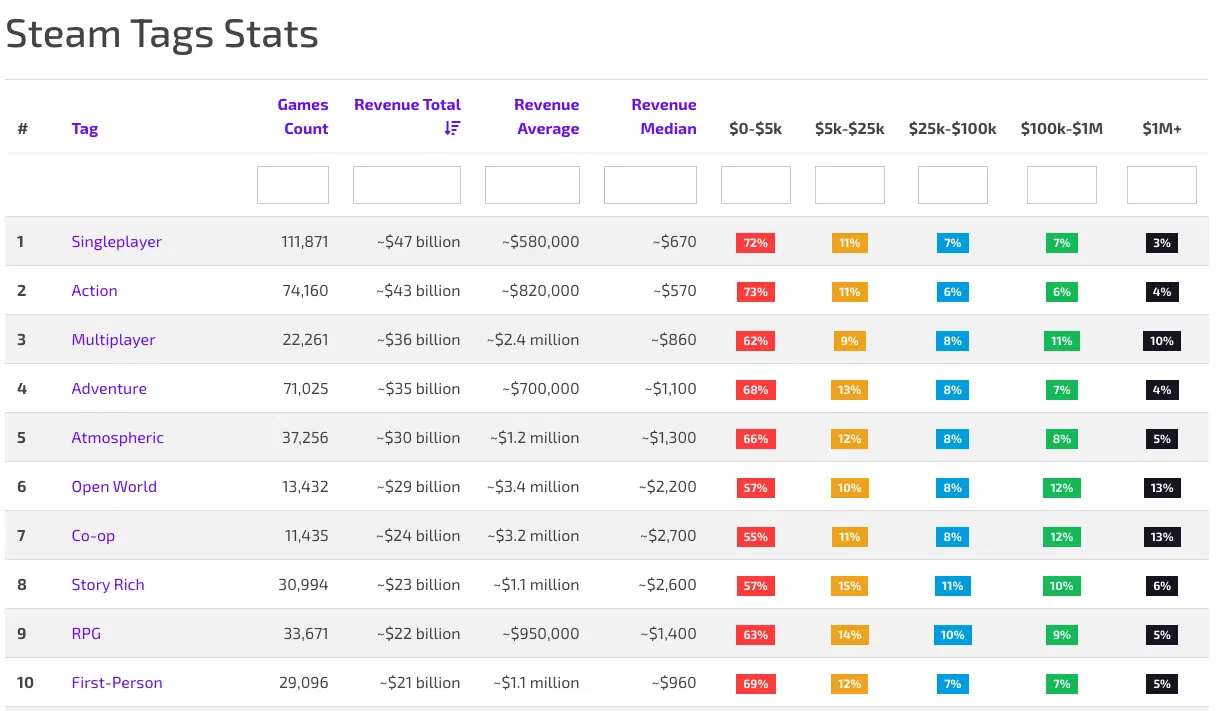
- To estimate this, go to a 3rd party tool such as Game Stats and find the estimated Revenue Total for each genre and tag.
- Even if you build an amazing game, if only 5 sales were made in your subgenre last year, there may simply not be enough people who want that type of gameplay experience for you to sell many copies.
- Competition intensity.
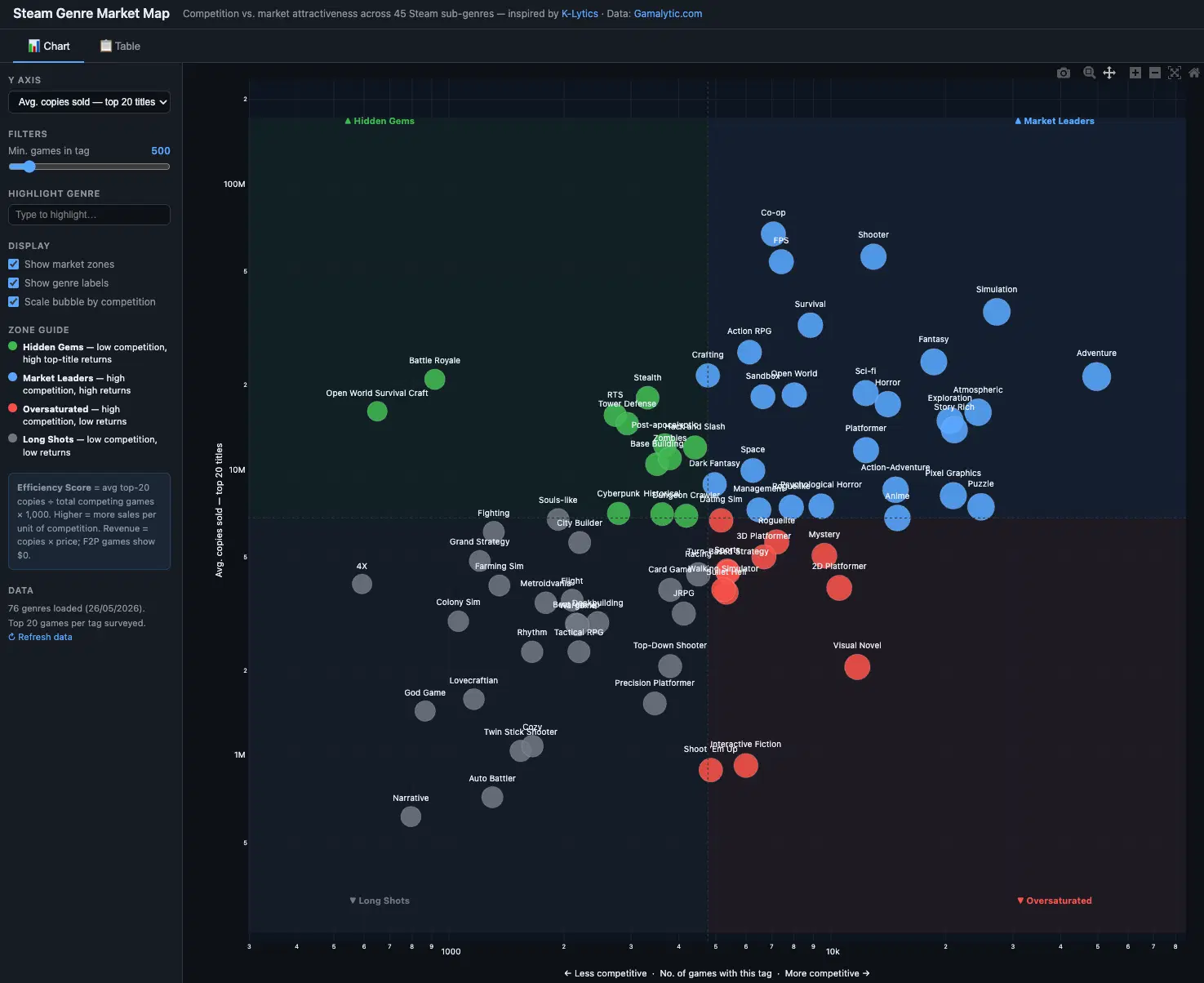
- Using the same page, look at the Games Count to see how many other games are competing in this genre for that total revenue. Next, look at: Median Revenue, Average Revenue, and Revenue by percentage, if available.
- Comp title performance.
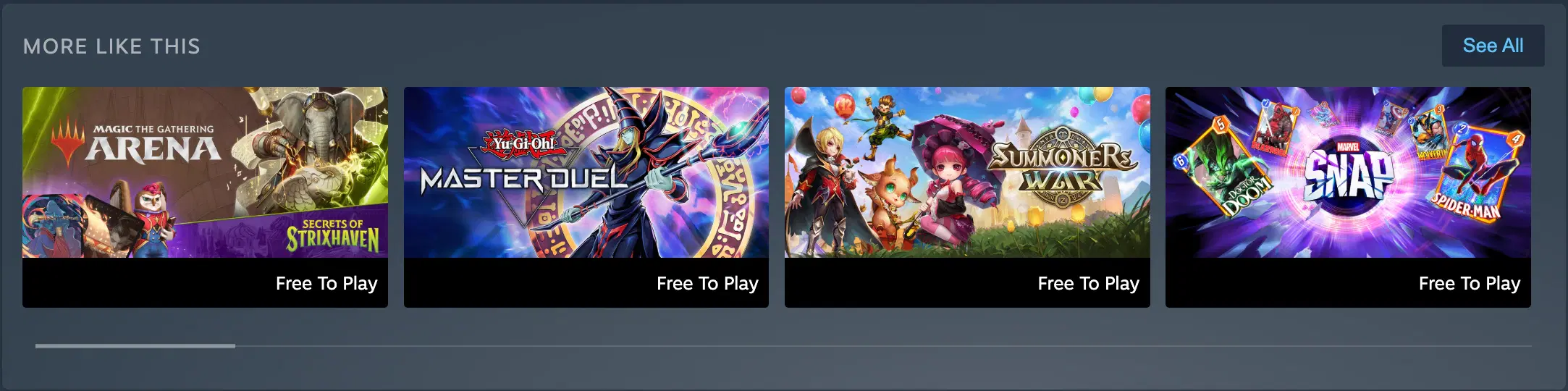
- Go to Steam DB and find the 5-10 games that are the closest comp titles to your game (the More Like This section is a good place to start): if the game has already launched, look at their estimated total players. If the game is prelaunch, look at their total follows. Although Steam does not make wishlist data public, an industry rule of thumb is that a game will have roughly x9.6 wishlists as follows.
Key insight
Marketing is an amplifier on game quality and market demand, not a substitute for them. The studios that win with marketing have a game players want. Marketing gets that game in front of the right players. Without underlying demand, more reach just means more people discovering a game they don't want to play.
Pro Tip
Validate concept heat before you're 18 months deep in development. Post a short gameplay clip on TikTok, Reddit (r/indiegaming, r/gamedev), or X before the game is complete. Low engagement early is a market signal worth taking seriously before you've committed a full development cycle to a concept.
2. Launch your Coming Soon page the moment it's ready
The Coming Soon page is the routing surface for every marketing activity: trailers, creator coverage, devlogs, ads, and Steam discovery. Every day before it is live is a day of wishlist accumulation that cannot be recovered.
The top 20 games at launch in a recent analysis had been listed on Steam for an average of 214 days before release. That's 214 days of wishlist building, algorithmic learning, and creator discovery before launch day.
A live page with a placeholder screenshot is converting wishlists. A perfect page still in drafts is converting nothing.
Where do I start marketing my first indie game?
The first marketing asset to get live for a first indie game is a Coming Soon page, because every trailer, creator video, devlog and ad sends players there to wishlist.
First-time studios should budget 8 to 10 weeks from Steamworks account setup to a live page, so start that setup before the game feels finished.
What a Minimum Viable Page requires:
- Final game title (this locks after store review: it cannot be changed once approved)
- Capsule art (all four sizes)
- At least five gameplay screenshots
- A gameplay-forward trailer
- Short and long descriptions
- Genre tags
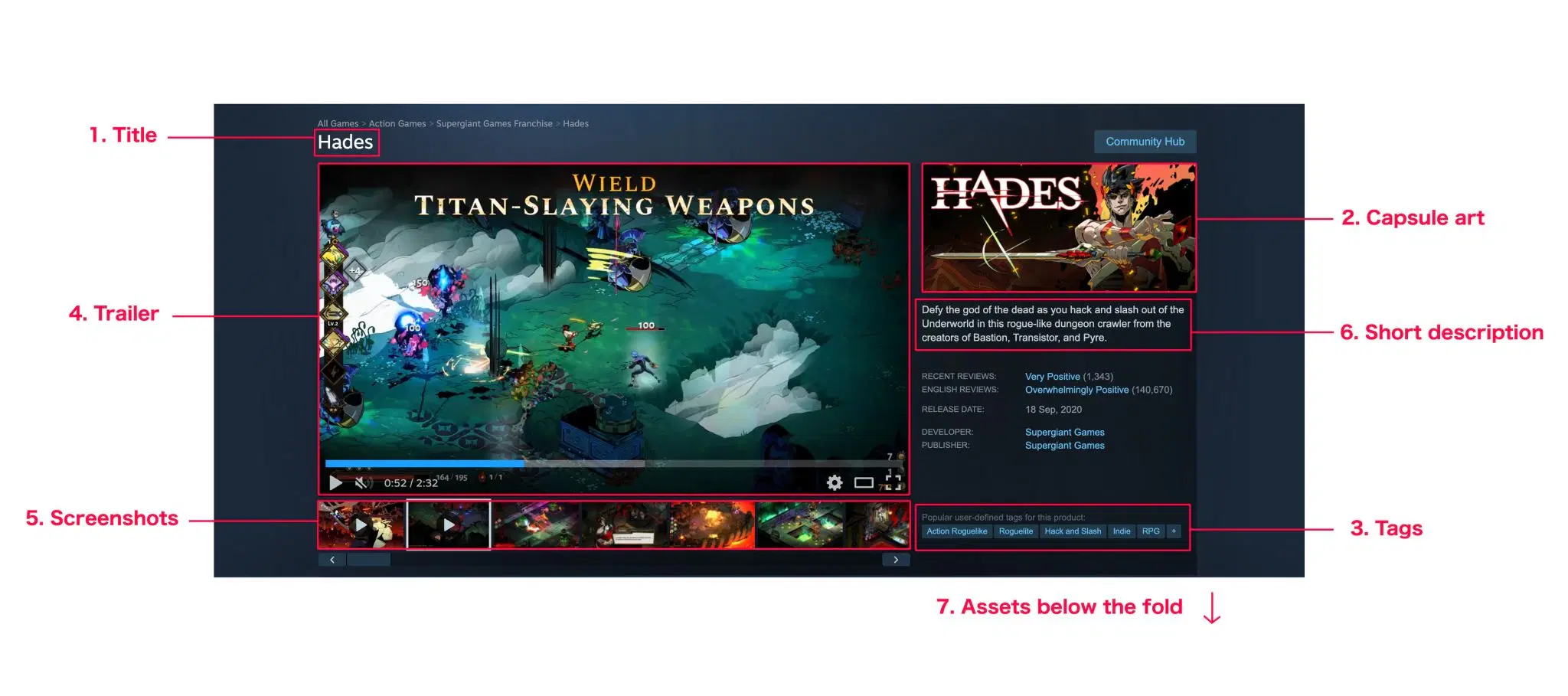
Submit as soon as this bar is met. Every asset can be improved after the page is live. The time lost waiting for perfection has no recovery mechanism.
The timing gates are non-compressible. Valve's store review takes 3-5 business days. Your Coming Soon page must be live for at least two weeks before you can release. For first-time studios, budget 8-10 weeks from Steamworks account setup to a live Coming Soon page, not the 30-day legal minimum. Tax verification alone can take 2-7 business days, and nothing else can proceed while it's in progress.
The publishing process works like a critical path: review gates, waiting periods, and Coming Soon minimums all run sequentially. Compressing work outside that dependency chain does not move the launch date. For the full Steamworks setup and store-review walkthrough behind these gates, see our guide on how to publish a game on Steam.
Pro Tip
Use a date range rather than a specific date. 48% of Steam games delay after announcing a specific date; the median delay is 14 days. A quarter or month range (e.g. "Q1 2027") is more likely to match your actual release than a specific date set 12 months out. If you need to change a specific date within 14 days of the Coming Soon page going live, self-serve is blocked and you need Valve support to do it.
3. Set up attribution before you send any traffic
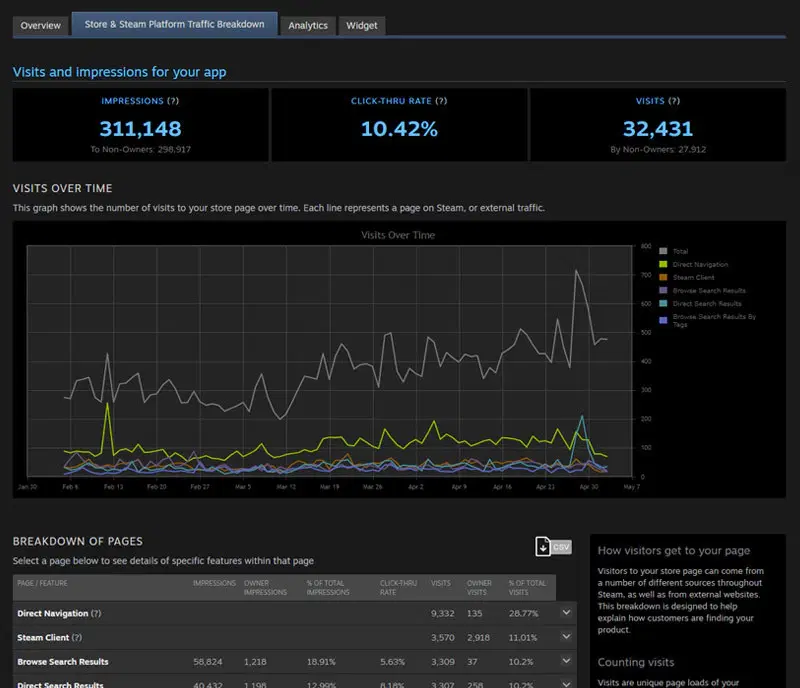
Before sharing a link with anyone, set up UTM tracking in Steamworks (Marketing & Visibility > UTM Analytics). Create a separate UTM link for each traffic source: platform or partner for utm_source, channel type for utm_medium, campaign for utm_campaign.
Attribution in Steam is structurally imperfect. A player who sees your TikTok on mobile and wishlists your game on desktop fires no UTM. Cross-device journeys break attribution at scale. You'll see that a channel is generating traffic, but you often can't confirm which channel caused which wishlist.
This means tracking both UTM data and channel-level velocity: did wishlists spike when you posted? Did sales move when a creator covered the game? UTM gives you part of the picture; behavioural correlation fills the rest.
Track wishlist conversions 4 days after link activity. Steamworks updates visits hourly but conversion data takes approximately 4 days.
Which indie game marketing tactics produce measurable wishlists?
The most measurable tactics are the ones you can give their own Steamworks UTM link and test one channel at a time, so each wishlist spike has one likely cause.
A UTM link is a tagged URL that tells Steamworks which source sent a visitor. Wait about 4 days before judging a test, since conversion data lags behind the hourly visit data.
Stage 2: Build Demand
Demand is built in the 6-18 months before launch. Launch day captures it. Demand creation that starts 60 days before release cannot make up for 12 months of compounding that didn't happen.
4. How Steam's algorithm actually turns wishlists into sales
Steam's discovery system works as a funnel. A player sees your capsule art in a browse page or recommendation feed (that's an impression). They click through to your store page (that's a visit). They add it to their wishlist (that's a pre-launch conversion). They buy on launch day (that's the signal the post-launch algorithm runs on).
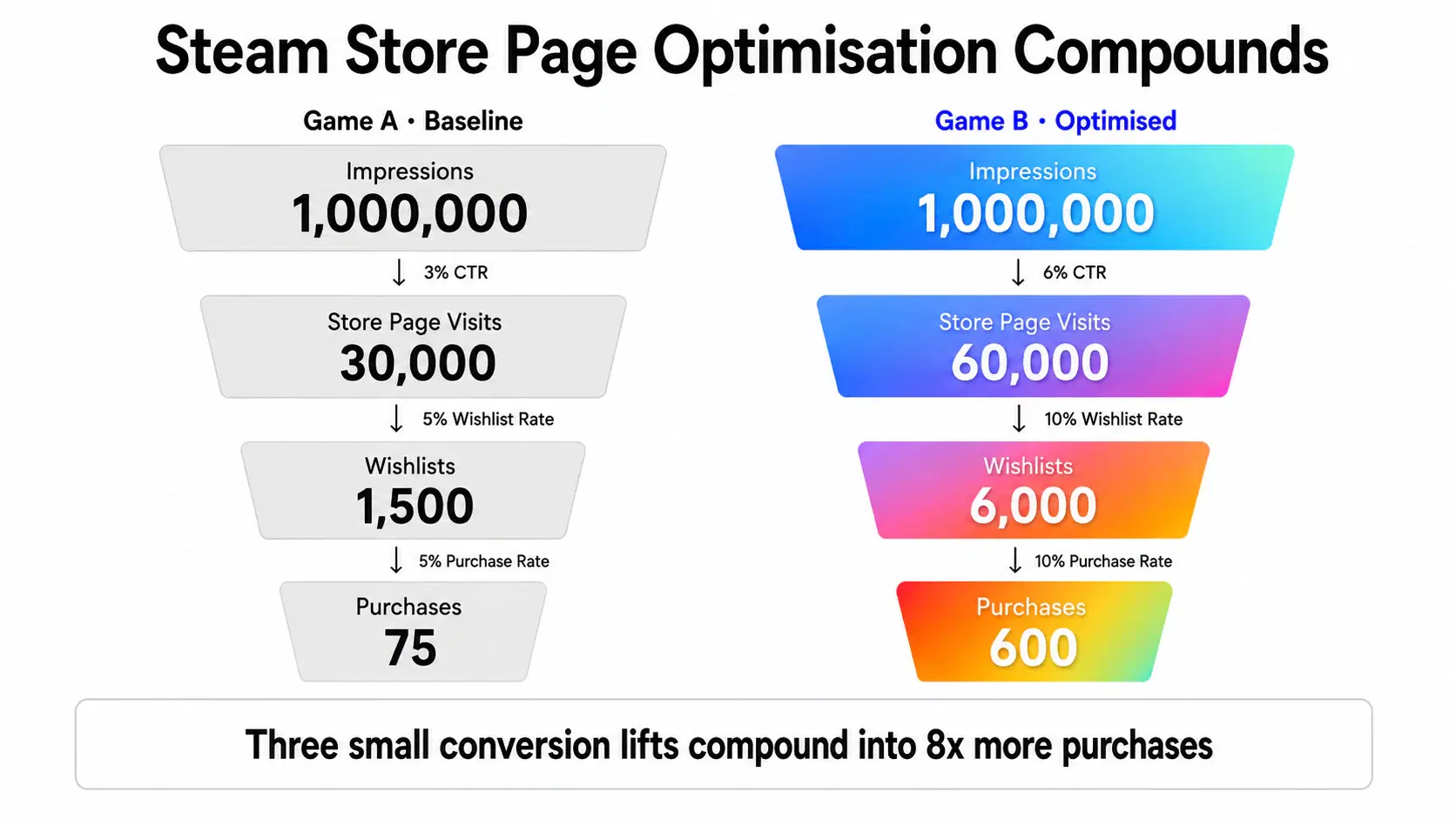
Most studios only think about the last step, however top performers optimise for all four.
Wishlists drive native Steam visibility before launch. Steam's Popular Upcoming section surfaces pre-release games to players whose taste profiles match the game's genre and tags. The placement signal is wishlist velocity, not wishlist count: a genuine spike from creator coverage or a strong SNF carry more algorithmic weight than the same number accumulated slowly through giveaways. Practitioner benchmarks put the realistic entry threshold at 7,000-10,000 wishlists; studios targeting a mid-tier launch commonly use 30,000+ as a planning buffer.
One caveat worth knowing: as Steam's personalised discovery surfaces have expanded through 2025-2026, broad Popular Upcoming placement has become harder for smaller titles. The system is shifting toward relevance-matched discovery, which means tag accuracy and genre clarity matter more than they did two years ago.
Getting on Popular Upcoming requires wishlist velocity; staying visible to the right players requires that your tags tell Steam exactly who should see you.
How many wishlists does an indie game need before launch?
A minimum pre-launch benchmark is 1,000+ wishlists growing by 10+ organic wishlists a day, with 7,000 to 10,000 the practitioner range for reaching Popular Upcoming and 30,000+ a common planning buffer for a mid-tier launch.
Steam does not publish other games' wishlist counts, so benchmark comp titles by their follower counts instead. An industry rule of thumb is roughly 9.6 wishlists per follower.
Wishlist count determines your Steam Next Fest outcome. The other reason wishlists are important is for Steam Next Fest (which we'll go into more depth on later).
We ran a predictive ranking analysis on 16,878 games across seven editions of the festival, and found that the two biggest predictors of success were: total wishlists, and recent wishlist growth rate.
In particular, pre-festival audience size explains 60% of the variance in SNF outcome (r = 0.773, r² = 0.60). No other factor in the dataset comes close. The audience you bring to the festival sets the floor and the ceiling of what the algorithm can amplify.
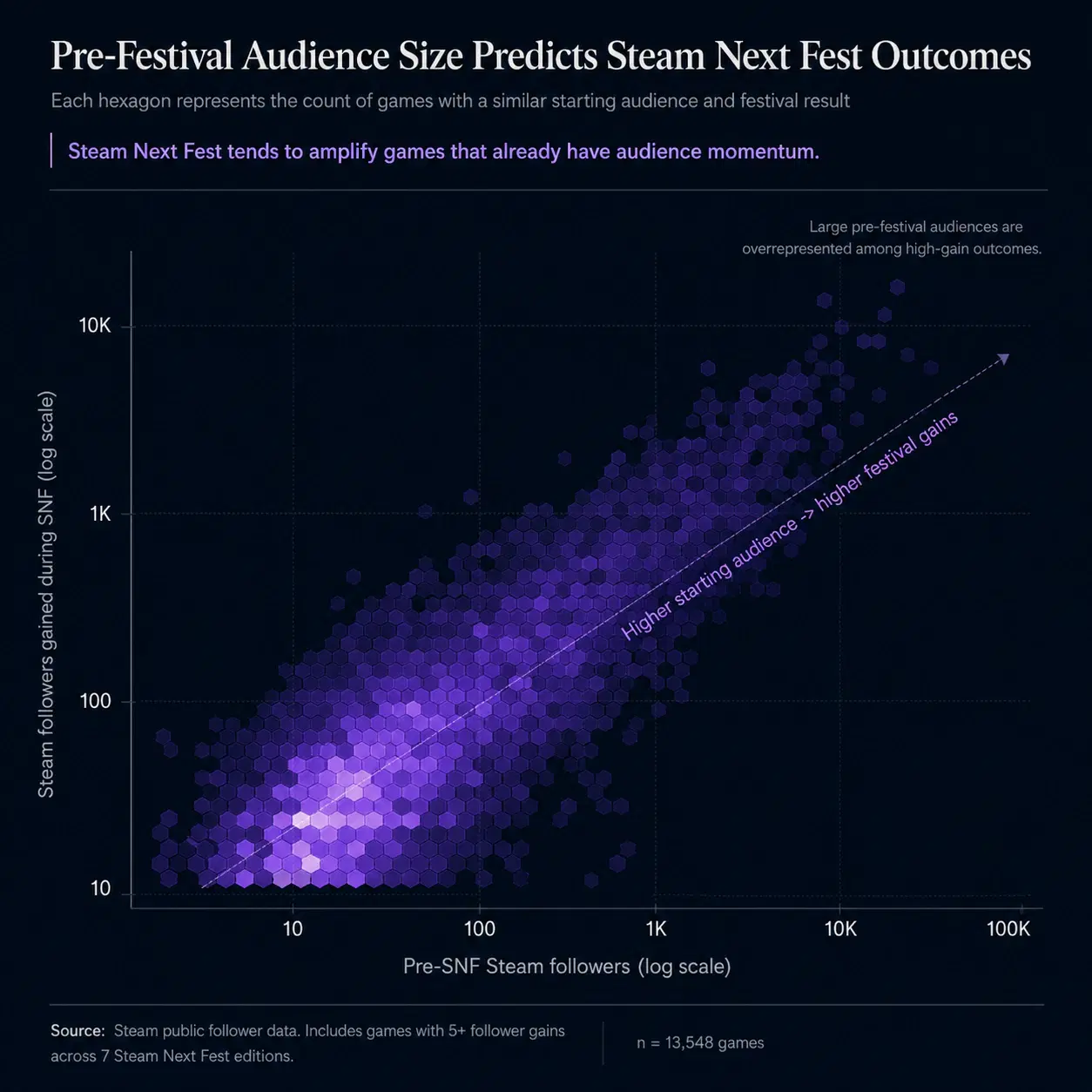
The key takeaway is that Steam Next Fest is a multiplier on your current wishlist momentum, not a replacement. You need to start with a high wishlist count.
The launch email is the bridge. When you release, Steam sends a notification to every player who has wishlisted your game. Those notifications generate the purchase wave that the algorithm reads on Day 1. A large wishlist list means a large notification send. A warm wishlist list (players who actually intend to buy) means a large conversion from that send. The algorithm sees the result of that conversion, not the wishlist count itself.
This distinction changes what you should optimise for in the 12 months before launch.
| What you build | What it creates | What the algorithm sees |
|---|---|---|
| Wishlist count from any source | Large notification send | Variable - depends on audience intent |
| Warm wishlist + owned audience | High-conversion notification send | Strong Day 1 sales velocity |
| Owned audience (email, Discord) | Second channel alongside Steam notification | Compounded Day 1 purchase wave |
| Creator coverage before launch | Informed buyers arriving at launch | Purchases from primed audience |
The 48-hour window is everything. Steam's New & Trending algorithm weights early sales more heavily than later sales. Revenue from the first 48 hours has disproportionate influence over your ranking for the weeks that follow. Studios that hit New & Trending on Day 1 do so because they had warm audiences ready to buy, not because they had a big number on their wishlist counter.
Wishlist quality beats wishlist quantity. A studio with 5,000 wishlists from players who followed every devlog, played the demo, and joined the Discord will outperform a studio with 20,000 wishlists from a giveaway campaign where players entered for a prize and forgot the game existed. The algorithm doesn't see your wishlist count. It sees what those wishlisters do when the launch email lands.
Key insight
The algorithm rewards launch-day conviction, and conviction is built before launch.
The second-channel advantage. Players who wishlisted your game receive one Steam notification on launch day. Players in your owned audience (email list, Discord server, etc) can receive multiple touchpoints before and during launch week. In Immutable's data across the Ubisoft Might & Magic: Fates launch, players from the owned channel converted at 2.8x the rate of players who came through the standard Steam notification alone. By Day 14 that gap had widened to 3.0x.
One notification vs. a five-email pre-launch sequence is not a fair fight. The wishlist is the starting point. What you build on top of it determines whether Day 1 is a launch or a release.
5. Localise your store page before anything else
Over 60% of Steam's monthly active users run Steam in a language other than English. If your store page only exists in English, you're invisible to the majority of Steam's player base in their native discovery experience.
Store page localisation means translating the short description, key features, and long description. Not the full game. Translating these elements into six languages takes a professional translator roughly one week and costs a few hundred dollars.
In-game localisation costs 10-50x more and takes 10-50x longer. The return per dollar is dramatically different: store page localisation changes whether your game appears in a player's native-language discovery feed before they ever try it. In-game localisation changes whether they enjoy the game after downloading. For discoverability, the store page matters first.
The six languages to prioritise:
- Simplified Chinese (largest non-English Steam player base)
- Russian
- Brazilian Portuguese
- German
- Spanish (International)
- French
These six cover the majority of non-English Steam traffic. Add others as revenue data shows where your audience is.
Submit translations as you complete them. Partial localisation is better than none. Each language added is a new discovery surface.
Warning
Store page localisation and in-game language support are separate Steamworks settings. Only declare interface, audio, or subtitle support under "Basic Info" for languages your game genuinely supports in the build. Declaring a language on your store page that isn't supported in your build is a common review rejection cause.
6. The three store page elements that actually improve CTR
Most studios spread conversion optimisation across everything: capsule, screenshots, trailer, tags, descriptions. The evidence points to three elements that account for most of the click-through improvement available at the store page level.
1. Capsule art. The capsule is the first asset players see before reaching your store page. It appears in search results, browse pages, recommendation feeds, and the Steam store before anything else.
A strong capsule contains two things: the game's title and one key visual. Nothing else. No review scores, no award badges, no promotional text (prohibited by Valve and will fail review), and no visual clutter that reduces legibility at thumbnail scale. Steam generates versions as small as 184 x 69 pixels. Test at small size before uploading. At thumbnail scale, the title needs to be legible and the visual needs to communicate genre immediately.
Average indie capsule CTR is below 2%. Games clearing 4% earn meaningfully more visibility because higher CTR feeds into Steam's personalised recommendation system.
Pro Tip
Your Capsule Art is arguably the most important element of your Steam page. It's the first thing people see, and determines whether or not they click to see all the other elements of your landing page.
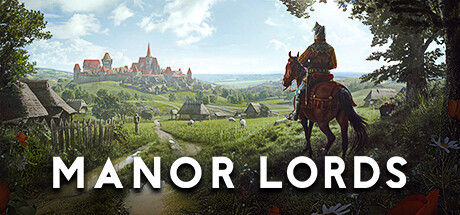
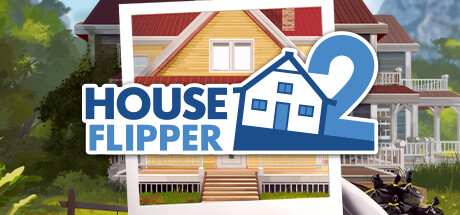

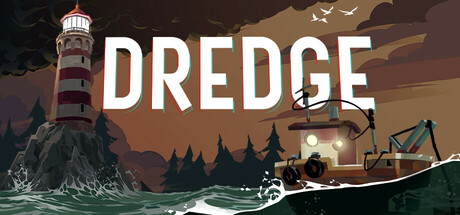
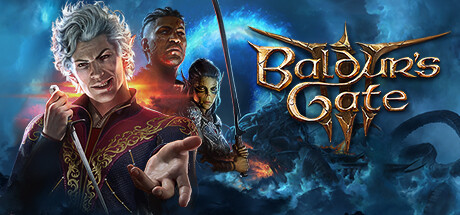
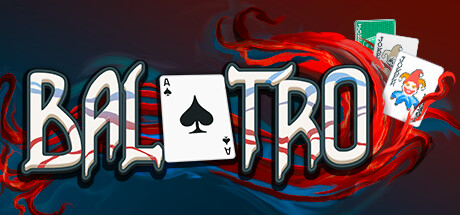
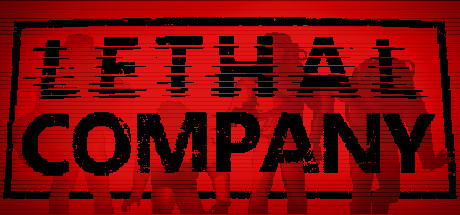


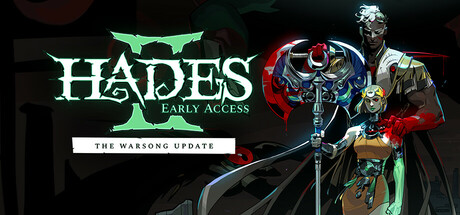
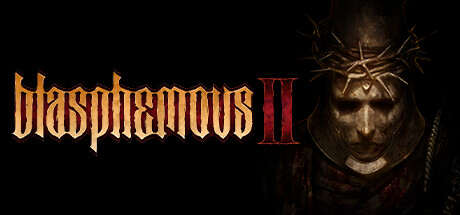
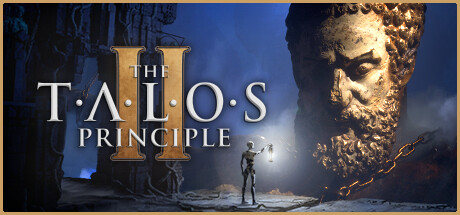
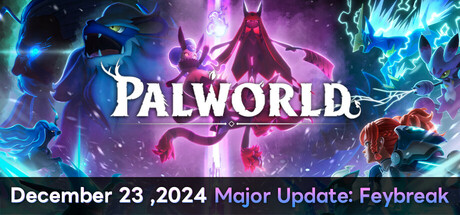
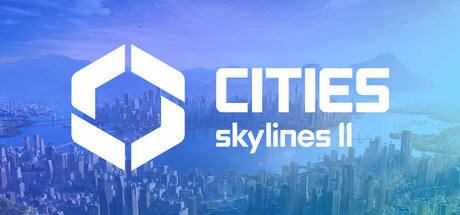

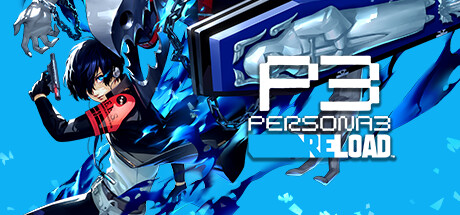


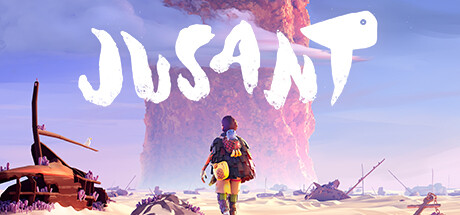
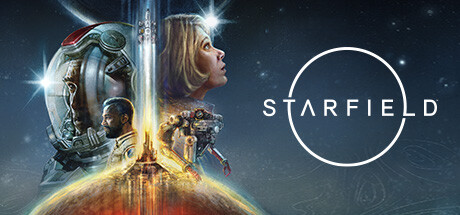
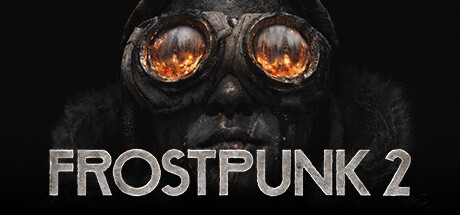



Want the full breakdown, including how the capsule renders at every size players actually see? Open the Steam Capsule Analyzer.
2. Tags. Tags are both discoverability assets and algorithmic matching inputs. Use all 20. Lead with your most specific and accurate sub-genre tags in the top 5 positions, not broad labels like "Indie," "Singleplayer," or "Action." Those top 5 carry the highest weight in Steam's discovery systems.
A roguelike deckbuilder should lead with: Roguelike, Deckbuilder, Card Game, Strategy, Dark Fantasy. Not Indie, Singleplayer, Atmospheric.
Start tag research by looking at 5-10 comparable games with 500+ reviews. Their top tags are the tags their audience already uses to find games like yours.

3. Trailer opening (first 5-10 seconds). Steam generates a 6-second microtrailer from your first store-page video, shown before players click to your page. The first 5-10 seconds of your main trailer need to show gameplay: the satisfying mechanic, the skill expression, or the unexpected moment that makes the game distinct.
Opening with a logo, a cinematic cutscene, or text cards burns the one moment you have before a player moves on.
Pro Tip
Run three tests on your capsule before uploading. (1) Blur test: does it still communicate something at low resolution? (2) Grayscale test: does it work without colour? (3) Competitor grid test: open 20 games in your genre alongside yours. Does it look like it belongs and stand out? All three should pass before submitting.
Key insight
The earlier an asset appears in the player's journey, the more total funnel leverage it has. A capsule that improves CTR from 2% to 4% doubles the number of players who reach your store page. That improvement compounds through every downstream asset. Optimise from the top of the funnel down.
7. Choose your primary marketing channel
Distribution follows a power law. One channel will likely account for over 80% of your wishlist growth. Finding that channel and concentrating effort there beats spreading across six channels simultaneously.
The four criteria for channel selection:
- Game-channel fit: does your game's visual style, concept, or tone make it naturally shareable in this channel?
- Audience-channel fit: are your target players reachable here?
- Scalability: can you reach many players without proportionally increasing effort?
- Efficiency: what is the cost per wishlist, measured in time and money?
| Channel | Best fit | What it requires |
|---|---|---|
| Steam Next Fest and festivals | Strategy, simulation, roguelikes, RPG | Strong demo before the event |
| Streamers and creators | Horror, co-op, sandbox, visually distinctive games | Demo, genre-fit creator research |
| Short-form video (TikTok, Shorts, Reels) | Co-op, high-concept, instantly legible games | Clippable mechanic, consistent posting |
| Community (Discord, Reddit, devlogs) | Deep and niche games with strong identity | Consistent participation |
| Owned media (email / newsletter) | Most game types, as a bottom-of-funnel layer | Email capture infrastructure |
| Press / editorial | Visually novel or newsworthy games | Genuine news hook |
| Paid advertising | Proven hooks that need scaling | Attribution setup and budget |
How can an indie game get discovered on Steam without relying on the algorithm?
Discovery beyond Steam's algorithm is demand you build off Steam, through creators, short-form video, community and email, then route to your store page with tracked links.
Pick one of these as your primary channel, since one channel will likely drive over 80% of your wishlist growth. The wishlist velocity that outside demand creates is also the signal behind Popular Upcoming placement.
Clip-first design. For studios without an existing audience or publishing partner, short-form video is often the most accessible starting channel. Platform algorithms distribute content based on engagement, not follower count, which means a studio with zero followers can reach 100,000 players if the clip connects.
The constraint: clippability is a product architecture decision. A game built around a satisfying, instantly legible mechanic can generate clips. A game whose appeal requires 20 minutes of context cannot. Clip-worthy moments are difficult to retrofit after the design is set.
Test scientifically. Don't spread effort across channels simultaneously and then try to attribute results. Test one channel at a time: form a hypothesis, run the experiment, measure whether wishlists moved, then iterate. Once you find a channel that works, use the 70/20/10 allocation: 70% of effort doubling down on what works, 20% testing adjacent angles within the same channel, 10% for experimental bets.
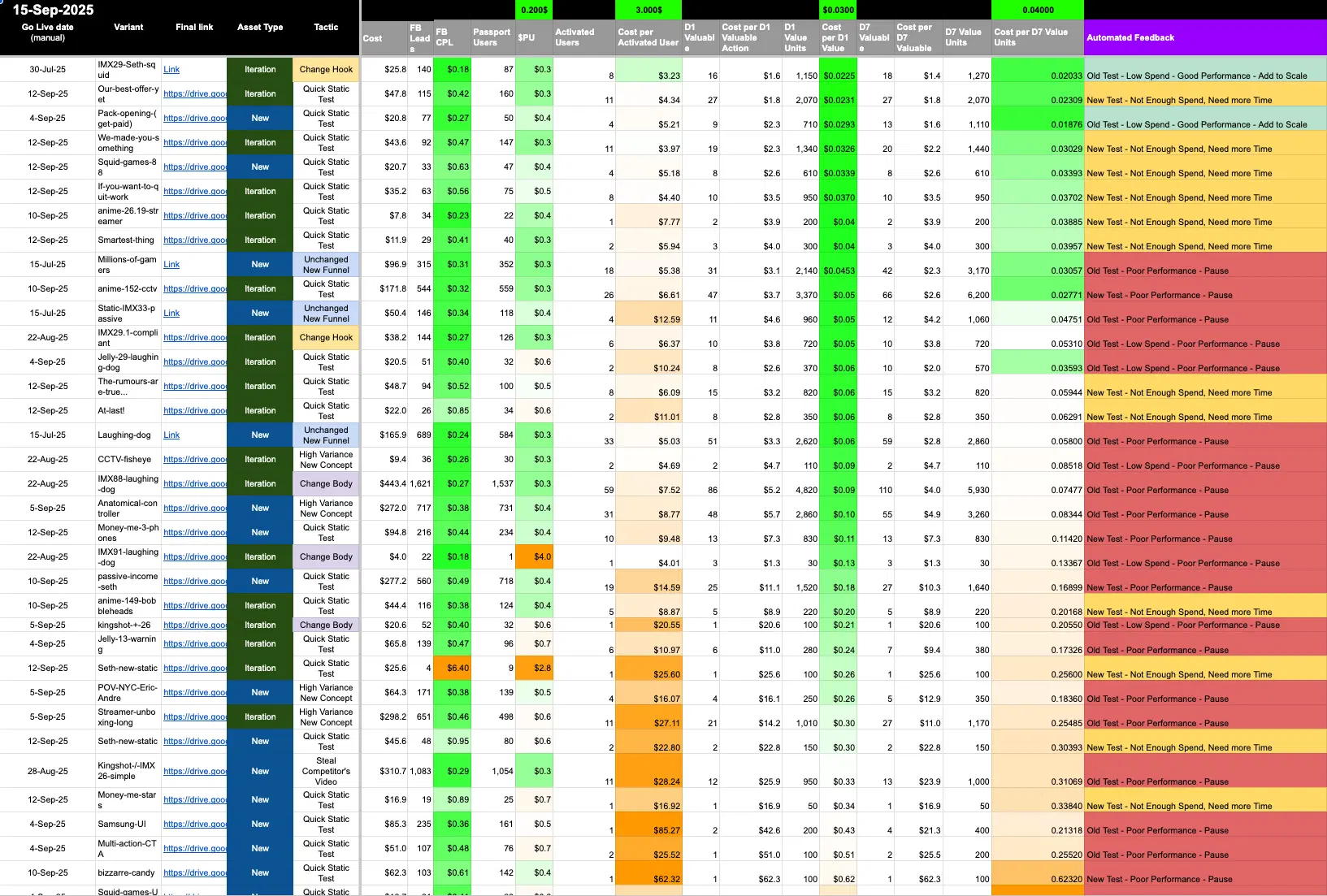
Below is an example of what one of our old ad performance spreadsheets looked like. There's a lot going on, but the principles are the same: what's the angle, how did it perform, what's our hypothesis on what should change to improve?
How should a small indie studio spend a limited marketing budget?
With a limited marketing budget, start with low-cost, high-leverage work: store page localisation for a few hundred dollars, then one tested channel before paid ads.
Judge every channel on cost per wishlist, counting your time as well as money. Paid advertising fits best once you have a proven hook that needs scaling.
8. Your demo is a creator unlock, not a conversion tool
The primary function of a demo is not direct player conversion. It's giving streamers, content creators, and festival curators something to play so your game gets covered before launch.
A streamer who can't play your game can't cover it. A festival evaluator who can't play your game can't select it. The demo solves both problems simultaneously.
This reframes the central question from "how do I make a demo that converts players?" to "how do I make a demo that gets the right creators to cover the game?"
What is the best demo strategy for an indie game?
The best indie demo strategy is to treat the demo as a creator unlock, released at least 2 to 4 weeks before Steam Next Fest and shared in tiers.
Tiers means smaller creators first, fixing bugs from their feedback, then larger creators once the demo is stronger. End the demo at a point of desire, with a wishlist call to action on the end screen.
The staggered outreach method. Don't send your demo to every creator at once. That wastes your opportunity to improve from early feedback before you approach the highest-value creators.
- Build a master list of genre-relevant streamers, creators, festivals, and press
- Tag each by reach, fit, and tier (A/B/C)
- Reach out in tranches of mostly C-tier with some B-tier mixed in
- Incorporate feedback and fix bugs
- Trade up to B-tier creators with a better demo and early social proof from C-tier coverage
- Repeat the improve-and-trade-up cycle at least 3 times before approaching A-tier creators
- Time the final A-tier outreach 2-4 weeks before Steam Next Fest
The logic: a creator who covers version 0.1 of your demo tells their audience about a rough game. A creator who covers version 0.5, refined by hundreds of hours of player feedback, tells their audience about a polished game. Same creator. Different outcome.
Demo timing relative to SNF. Your demo must be released before Steam Next Fest opens for you to participate. Release it at least 2-4 weeks before the event, not the day before. This window gives creators time to make and publish coverage before the festival opens, so you enter SNF with organic social proof already in the market and Day 1 creator traffic ready to amplify.
Demo design principles:
- End at a point of desire: give players enough to understand and want the game, but leave them wanting more
- Include a "Wishlist the full game" call to action on the demo end screen
- Make sure the base game's Coming Soon page is live before the demo launches, so demo traffic routes into the main game's wishlist funnel
Pro Tip
Use a separate Steam App ID for your demo. Steam demos are separate applications linked to your main game. A separate App ID means demo reviews and playtime don't affect your main game's review score or statistics. The demo button still appears on your main store page.
Key insight
Creator fit beats follower count. Academic research on streaming audiences (Jo, Lewis & Wang, 2024) found that micro-streamer loyalty amplifies game engagement by +36%, while mega-streamer loyalty reduces it by -17%. Mega-streamer audiences follow the creator, not the game. A genre-fit creator with 5,000 average concurrent viewers will move more wishlists than a lifestyle creator with 500,000. Work the numbers: 200,000 views / 50 wishlists is worse than 8,000 views / 200 wishlists. Hire creators for a specific player behaviour, not for reach.
How can an indie studio use creators to drive discovery?
The creators who drive discovery for an indie game are genre-fit ones, whose audience already plays games like yours, even when their reach is smaller.
Build your list by genre first, tag each creator by reach, fit and tier, then send the playable demo in tiers.
9. Steam Next Fest: the one-shot multiplier
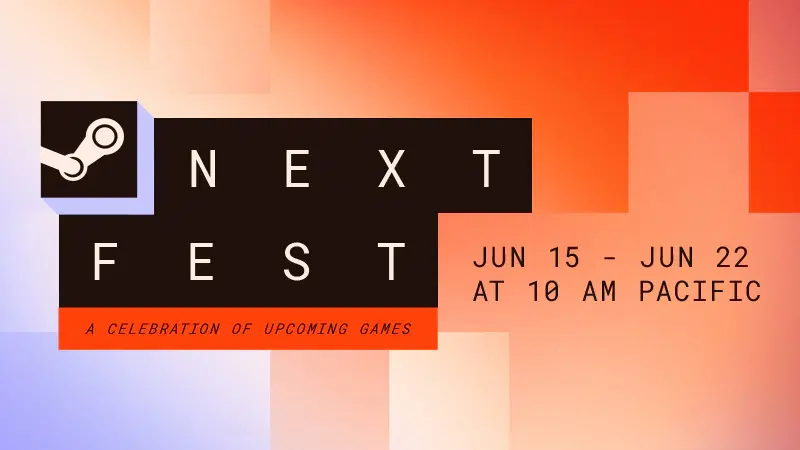
Steam Next Fest is a week-long Steam event where games with demos become visible to Steam's full player base through the festival's browsing interface. It runs three times a year (February, June, and October). Each game can participate only once, making timing the most consequential decision you'll make about the event.
Which festivals and events help market an indie game?
Steam Next Fest is a week-long Steam event built around playable demos.
Each game can enter only once, so arrive with the readiness signals below in place. Curated Steam genre festivals can also provide featured placement without using an Update Visibility Round (a limited homepage promotion window for an update).
Pre-festival audience size explains 60% of Steam Next Fest outcome variance, based on Immutable's analysis across seven SNF cohorts. The most important thing to understand: the event amplifies existing momentum, it does not create new momentum.
The sub-500 problem. 86% of games entering Steam Next Fest have fewer than 500 followers at the time of entry. For that group, the median gain is 11 followers, equivalent to roughly 105 estimated wishlists. That's not the breakthrough discovery event most studios are planning for.
Outcome data by pre-festival follower count:
| Pre-festival followers | Median follower gain | Estimated wishlist gain |
|---|---|---|
| 0-500 | 11 | ~105 |
| 500-1,000 | 114 | ~1,094 |
| 1,000-2,500 | 200 | ~1,920 |
| 2,500-5,000 | 357 | ~3,427 |
| 5,000-10,000 | 760 | ~7,296 |
| 10,000-25,000 | 1,227 | ~11,779 |
Crossing 500 followers before the event improved median outcome roughly 10x. Entering unprepared wastes your one participation slot.
Recent velocity can matter as much as raw size. Phantom Blade Zero entered one SNF with 1.1 million wishlists and ranked 61st overall. Games entering with 15,000-40,000 wishlists and stronger recent momentum made the top 10.
Day 2 is the peak. By the end of Day 3, more than half of all SNF gains are locked in. The most important work happens before the festival opens: creator outreach, press kit preparation, wishlister email drafting, tag audit, and trailer review.
Readiness diagnostic:
| Readiness signal | Green: enter and execute | Yellow: enter as learning event | Red: withdraw |
|---|---|---|---|
| Demo stability | Plays through without crashes | Minor bugs present | Crashes on core path |
| Store page | Converting at above-baseline rate | Assets still in progress | Placeholder capsule or trailer |
| Wishlist baseline | 1,000+ wishlists | 500-1,000 | Under 500 |
| Daily organic velocity | 10+ wishlists/day | 5-10 | Under 5 |
| Creator pipeline | 10+ creators confirmed before Day 1 | Some outreach started | No outreach underway |
| Launch proximity | Releasing within 12 months | 12-18 months | More than 18 months away |
Any red signal is a reason to consider withdrawal. You can opt out before the festival starts and preserve your eligibility for a later edition.
February outperforms June and October. February editions have historically shown 40-100% higher P90 outcomes than June and October editions. If your timeline allows, February is the preferred edition.
Pro Tip
Send the "Email Wishlisters" notification the moment the festival opens. Steam's built-in email tool lets you notify all wishlisters that the demo is live. Draft this email before the event and send it at the moment the festival opens to capture Day 1 traffic before algorithmic competition intensifies.
Stage 3: Convert at Launch
Launch day is where pre-launch demand becomes revenue. Four things determine launch performance: an owned audience, pricing, the first 72 hours of reviews, and how you use post-launch visibility.
10. Build an owned audience Steam can't take away
Steam wishlists are not customer records. A studio that depends entirely on Steam's single launch email notification is one platform bug away from a failed launch.
The Planet Centauri case. Planet Centauri launched with 130,000+ wishlists and sold 581 copies in the first five days. Steam's launch email reportedly did not send. Valve acknowledged the bug (said to have affected fewer than 100 games since 2015) and offered a Daily Deal slot. The Daily Deal generated approximately 5,000 sales but landed on the same day as major Valve hardware news.
This is not an argument against building wishlists. It's an argument for not treating them as your only pre-launch communication channel.
The identity gap. Steam wishlisters are mostly anonymous. You know how many you have, but you don't know who they are, where they came from, how warm they are, or how to contact them outside Steam's single notification. Building an owned audience means converting wishlist intent into a contactable player profile.
The infrastructure is not complicated: an email list, a Discord server, or a landing page with an email capture. The goal is to have a second communication channel on launch day that doesn't depend on Steam's notification system working correctly.
What the data says. Ubisoft's Might & Magic: Fates built a prelaunch owned audience through Immutable Audience and ran a five-phase email sequence before its February 2026 launch. Players from that owned channel showed 2.8x higher Day 1 conversion than players who came through the standard Steam storefront notification. By Day 14, that gap had widened to 3.0x.
The mechanism is straightforward: players who have received five personalised emails about your game are warmer than players who received one generic Steam notification on launch morning.
Key insight
The first 48 hours set the lifetime trajectory. Most studios convert 10-17% of their wishlists on launch day. Steam's New & Trending section requires approximately $8,000 in rapid early sales to appear (a practitioner estimate; Valve does not publish the exact threshold). The games that hit this number on Day 1 do so because they had warm audiences primed to buy. Launch day is execution. The months before it are strategy.
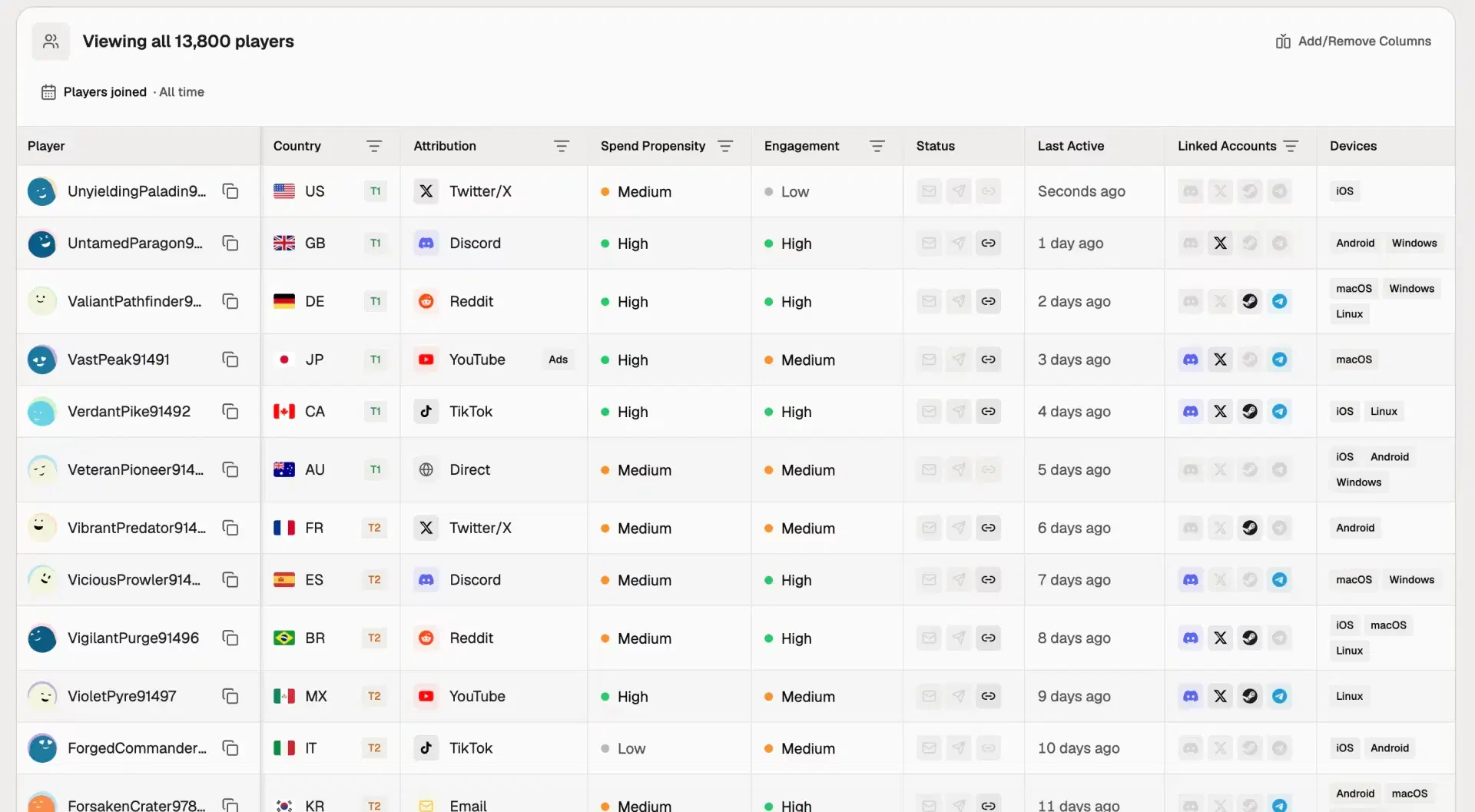
Immutable Audience connects fragmented player data across Steam, email, Discord, and paid channels into a single owned, attributable profile. If you're managing pre-launch audience relationships manually and finding it difficult to scale, Immutable solves that gap.
11. Pricing: the one decision that compounds forever
Your launch price is the first quality signal new players receive. It shapes their expectation before they read a single review.
Set price by reference, not by instinct. Find 5-10 comparable titles that players consider alongside or instead of your game. Take the median price. Adjust up or down based on content volume, polish level, and development depth. A 25% adjustment either way is defensible. A 50% adjustment needs to be explained by something concrete.
Launch discount: 10-15% is standard and defensible. A 40% launch discount signals something is wrong with the base price. The launch discount is the first pricing signal to new players; a deep discount reads as a game the developer doesn't believe in at its own price.
A 20%+ discount also triggers a second wishlist email to all wishlisters. If your launch discount reaches that threshold, you'll get a second notification push during the discount window. This is a mechanism worth knowing and timing deliberately.
Price elasticity. Small price changes create large changes in conversion rate. A $19.99 game converting at 15% will often outsell a $24.99 game converting at 10%, even though the $24.99 game earns more per unit. Run the math for your genre before setting the final number.
Early sales carry extra weight. Revenue from the first 48 hours is weighted more heavily by Steam's New & Trending algorithm than revenue that arrives later. This argues for pricing to maximise sales velocity in the launch window, not to maximise revenue per unit.
Pro Tip
Discount cooldown is 30 days after any discount ends. Launch discounts run 7-14 days. If you want to participate in a summer or winter sale, plan backwards from those dates to avoid hitting the cooldown window on a day you want to discount. Steam's seasonal sales are exempt from the standard 30-day cooldown but not from release or price-increase cooldowns.
12. The first 72 hours: protecting your review score
Two review score thresholds shape how players and the Steam algorithm respond to your game after launch.
The 40% floor. Valve officially reduces algorithmic visibility for games below 40% positive reviews, documented in Steamworks. Getting to 10 reviews quickly matters because below 10, Steam shows "No user reviews", a neutral signal that many buyers treat as an absence of quality confirmation.
The 70% floor. Games between 40% and 70% positive reviews sit in Steam's "Mixed" review band. Steam does not suppress these algorithmically, but buyers apply their own filter. Players who aren't already familiar with your game see "Mixed" and move on. This is a conversion killer that turns good launch momentum into a slow bleed. No appeal to Valve helps here. You earn your way above 70% with players, not with platform support.
The first 72 hours matter because of "recent reviews." Steam displays both overall and recent review scores. A launch that starts with 20 reviews at 90% positive builds "Mostly Positive (Recent)", a signal that compounds into more discovery. A launch that starts with 5 reviews at 60% starts "Mixed" and has to overcome that label for every buyer who arrives after Day 3.
How to protect your score in the first 72 hours:
- Fix critical launch-day bugs before reviews arrive. Have a patch ready to deploy within hours of launch, not days.
- Request reviews from your warmest, most committed players first. Discord members who played the demo are more likely to leave positive reviews than cold wishlisters.
- Monitor Steam forums and the community hub from the moment of launch. Respond to every negative review within the first 48 hours: never argue, just acknowledge and explain what you're fixing.
- If a serious bug is affecting early players, delay your review request campaign by 24-48 hours until it's resolved.
Pro Tip
Get to 10 reviews in the first 24 hours. Below 10, Steam shows no review score at all. Coordinate review requests with your warmest audience on launch day to cross this threshold as quickly as possible.
13. Post-launch: the five visibility rounds you have left
Every Steam game receives five Update Visibility Rounds over its lifetime. Each round runs for up to 30 days or 1 million homepage impressions, whichever comes first. They are not renewable.
This is a scarce, finite resource. Don't use one on a minor patch.
When to use an Update Visibility Round:
- Major content update or expansion
- DLC release
- Full 1.0 launch from Early Access
- Platform addition (e.g. console port or macOS support)
- Significant gameplay system rework
Using a visibility round requires posting a recent community announcement (within the last 30 days) in Steamworks.
Post-launch revenue levers:
- Seasonal sales: Steam's seasonal events (summer, autumn, winter) are exempt from the standard 30-day discount cooldown. Plan your discount calendar around these windows.
- Bundle placement: bundles are a long-tail revenue driver after organic visibility fades.
- Genre festivals: curated Steam genre festivals run throughout the year and provide featured placement without consuming a visibility round.
How should an indie game plan around Steam seasonal sales?
Steam's seasonal sales are exempt from the standard 30-day discount cooldown, so plan your discount calendar around them.
A discount cooldown is the 30-day wait after any discount ends. The seasonal exemption does not cover release or price-increase cooldowns, so check those dates first.
Note on long-tail success
1000xRESIST had its best sales day nearly seven months post-launch, through awards discourse, word of mouth, and social media activity. Launch day is the beginning of the commercial window, not the end of it. Games with strong quality signals can find their audience over time. Plan your post-launch marketing calendar for at least 12 months, not just the first two weeks.
Pre-launch checklist
Use this as a go/no-go check before pressing release.
Foundations
- Genre-market fit validated with TAM data and comp title analysis
- Coming Soon page live for at least 2 weeks (ideally 6+ months before release)
- UTM tracking active in Steamworks
- All 20 tags set, leading with specific sub-genre tags
- Store page localised into at least Simplified Chinese plus 2-3 other priority languages
Store page
- Capsule art passes blur test, grayscale test, and competitor grid test
- Trailer shows gameplay in first 5-10 seconds
- Screenshots show 5+ distinct gameplay systems or environments
- Short description answers: what is the game, what does the player do, why should they care?
Audience
- Email list or Discord server active with engaged members
- 1,000+ wishlists (7,000-10,000 for a mid-tier launch)
- 10+ organic wishlists per day in the 30 days before launch
- Creator pipeline confirmed: coverage scheduled for launch week
Demo and SNF
- Demo complete and crash-free on core player path
- Demo ends at a point of desire with wishlist CTA on end screen
- Steam Next Fest edition confirmed and participation registered (one slot only)
- Demo released at least 2 weeks before SNF if participating
Launch mechanics
- Launch discount set (10-15%)
- "Email Wishlisters" notification drafted and ready to send at launch
- Patch ready to deploy if launch bugs emerge on Day 1
- Review outreach plan ready for warmest audience members on Day 1
- Support team briefed and monitoring Steam forums from launch
Track which creators and channels are actually moving your wishlists.
Studios using Immutable Audience are seeing up to 2.8x higher Day 1 conversion than players from standard Steam wishlist notifications. Immutable connects Steam, email, Discord, and creator activity into a single owned player profile so you know which channels are building real demand before launch.
 Book a free game marketing review
Conclusion
Marketing an indie game comes down to the system you build before launch. There are 106,181 indie games on Steam. Based on the data, roughly two-thirds will never make more than $1,000. The gap between the games that find their audience and the games that don't is almost never the quality of the game. It's the marketing system that was or wasn't built in the 12 months before launch.
The system is not complicated. Genre validation, Coming Soon timing, store page conversion, channel selection, demo strategy, Steam Next Fest timing, owned audience, review score management, and post-launch visibility. Get these in the right order and your game will find its players.
I hope this guide helps you do that.
Robbie Ferguson, Co-Founder and President at Immutable
Free launch review
Get a launch plan built on your game's numbers
Studios building pre-launch owned audiences with Immutable see 2.8x higher Day 1 conversion. We'll map the plan in this guide onto your game on a 30-minute call.
Get my free launch review★★★★★ Trusted by Ubisoft, Netmarble, and 800+ studios