Why we wrote this
Steam Next Fest (SNF) is one of the most competitive moments in a game's life. Due to Steam's momentum-based algorithm, a game's total lifetime sales are highly correlated to its sale rate in the first 48 hours after launch.
After collecting over 35 billion unique data points across 800+ games, we've found the single biggest factor that determines Day 1 sales is the number of engaged wishlists. A large portion of these wishlists come from SNF, and the event has never been more competitive:
- 301% increase in competitors since early 2024 - June 2026 set a new record at 4,382 participating games
- Top 1% of games captured 37.8% of all gains; bottom 50% only captured 2.6%
- 87% of participants enter with under 500 followers; their median gain is 10 followers (roughly 96 estimated wishlists)
- Just 1.14% of June 2026 participants reached the Top Demos page (a fixed 50 slots)
Thankfully, there are several concrete actions games can take to maximise their chances. We've collated them all, for free, in this playbook.
Free October SNF sprint
Get your game ready for October Steam Next Fest
We're running a limited-capacity sprint to help studios execute this playbook before October 19 - audience audit, store page fixes, and creator outreach. We've proved a 2.8x increase in wishlist conversions for studios of every size, including 200-million-user Ubisoft.
Apply for the October sprint★★★★★ Trusted by Ubisoft, Netmarble, and 800+ studios
0. What is Steam Next Fest
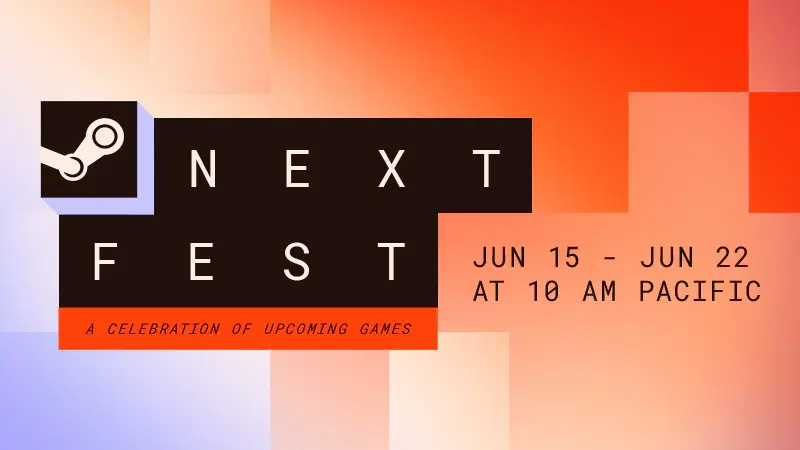
Steam Next Fest is a Steam event where players can browse and wishlist unreleased games, play demos, and watch developer livestreams. It runs for one week three times a year - in February, June, and October.
October 2026 key dates
| Date | What happens |
|---|---|
| August 31 | Registration deadline, 11:59pm PDT |
| September 14 | Demo build + store page submitted for Press Preview eligibility |
| September 28 | Hard deadline: all required items submitted for review |
| October 8 | Press Preview begins - media can access demos ahead of the public |
| October 19 | Festival opens, 10am PDT |
| October 26 | Festival closes, 10am PDT |
| October 26 | SNF Wrap-Up launches (most-played demos featured) |
Key rules
- The one-shot rule. Each game can participate in Steam Next Fest exactly once. If you enter, you have used your slot. The rule applies per game, not per developer.
- Demo eligibility. Your game must have a playable demo available during the event. Your game must be unreleased and listed as “Coming Soon” on Steam. For a full overview of publishing on Steam, see our growth guide.
- The opt-out safety valve. If you registered for October SNF but have not yet participated in any previous SNF, you can opt out before the event starts and preserve your eligibility for a later event - next up, February 2027.
- Categories decide which sections you appear in. Per Valve, if you do not select any categories at registration, your game cannot appear in the By Genre or By Feature sections. This is separate from tags (Priority 4 in Section 5), which affect placement quality within those sections.
How to opt out
Return to the registration page via your App Landing Page in Steamworks and deselect the checkbox at the bottom. You can do this at any point before October 19. Opting out preserves your February 2027 eligibility if you have not yet participated in any SNF.
1. Most games are not ready
The reality is that most games who apply to SNF are not ready.
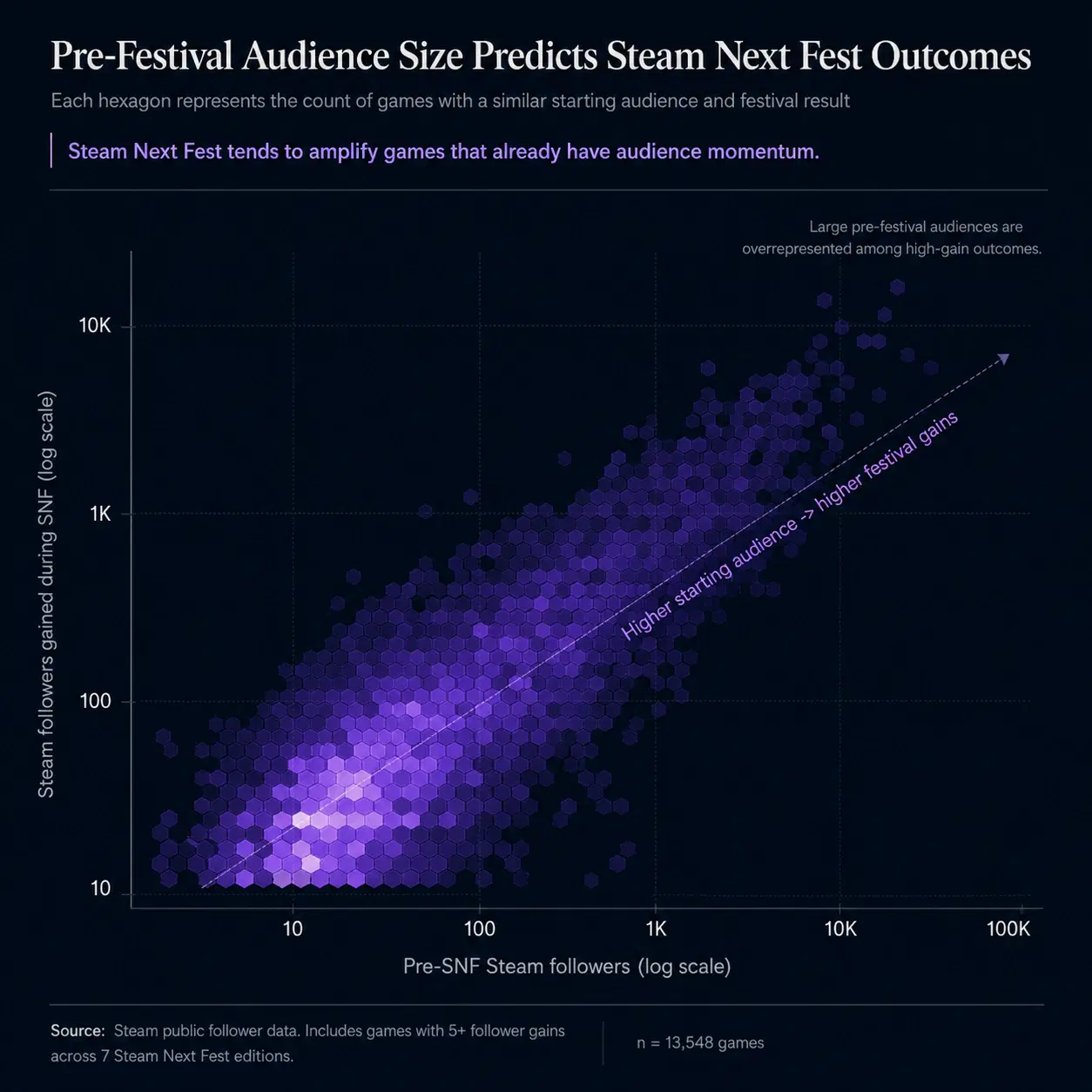
We ran a predictive ranking analysis on 21,681 games across eight editions of the festival, and found that the two biggest predictors of success were:
- Total followers (the measured proxy for wishlists)
- Recent follower growth rate
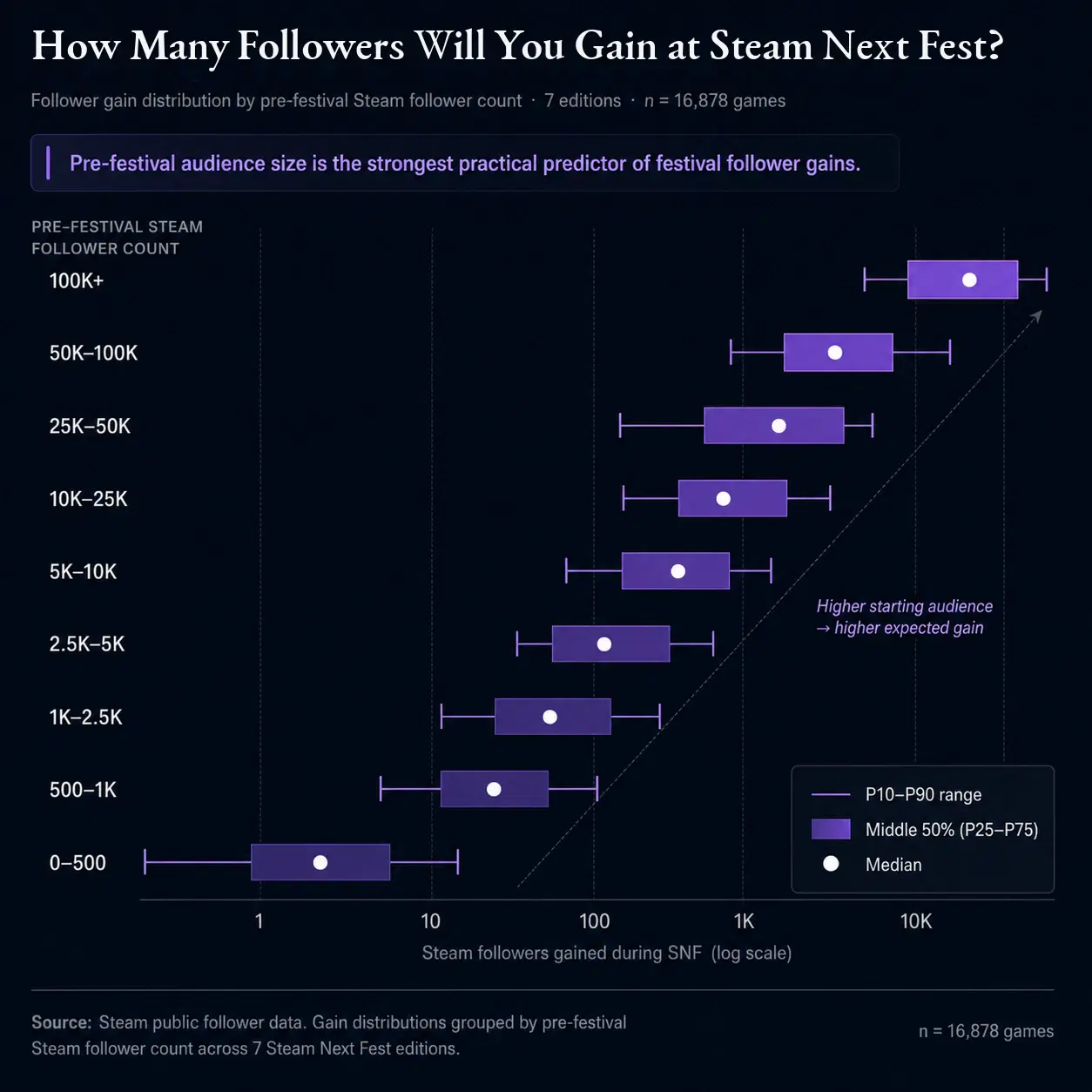
Pre-festival audience size is associated with roughly 60% of the variance in SNF outcome (log-log correlation: r = 0.772, r² = 0.596). No other factor in the dataset comes close. Practically, the audience you bring to the festival sets the floor and ceiling of what the algorithm can amplify.
Steam Next Fest is a multiplier on your current wishlist momentum, not a replacement. You need to start with a high wishlist count. If you go into SNF without a strong existing baseline, you won't get much out of it.
The importance of velocity
In our analysis, Phantom Blade Zero - which had 1.1 million wishlists going into its SNF cohort - ranked 61st overall, while smaller games that started with 15,000-40,000 wishlists made the top 10 because they had stronger momentum going in.
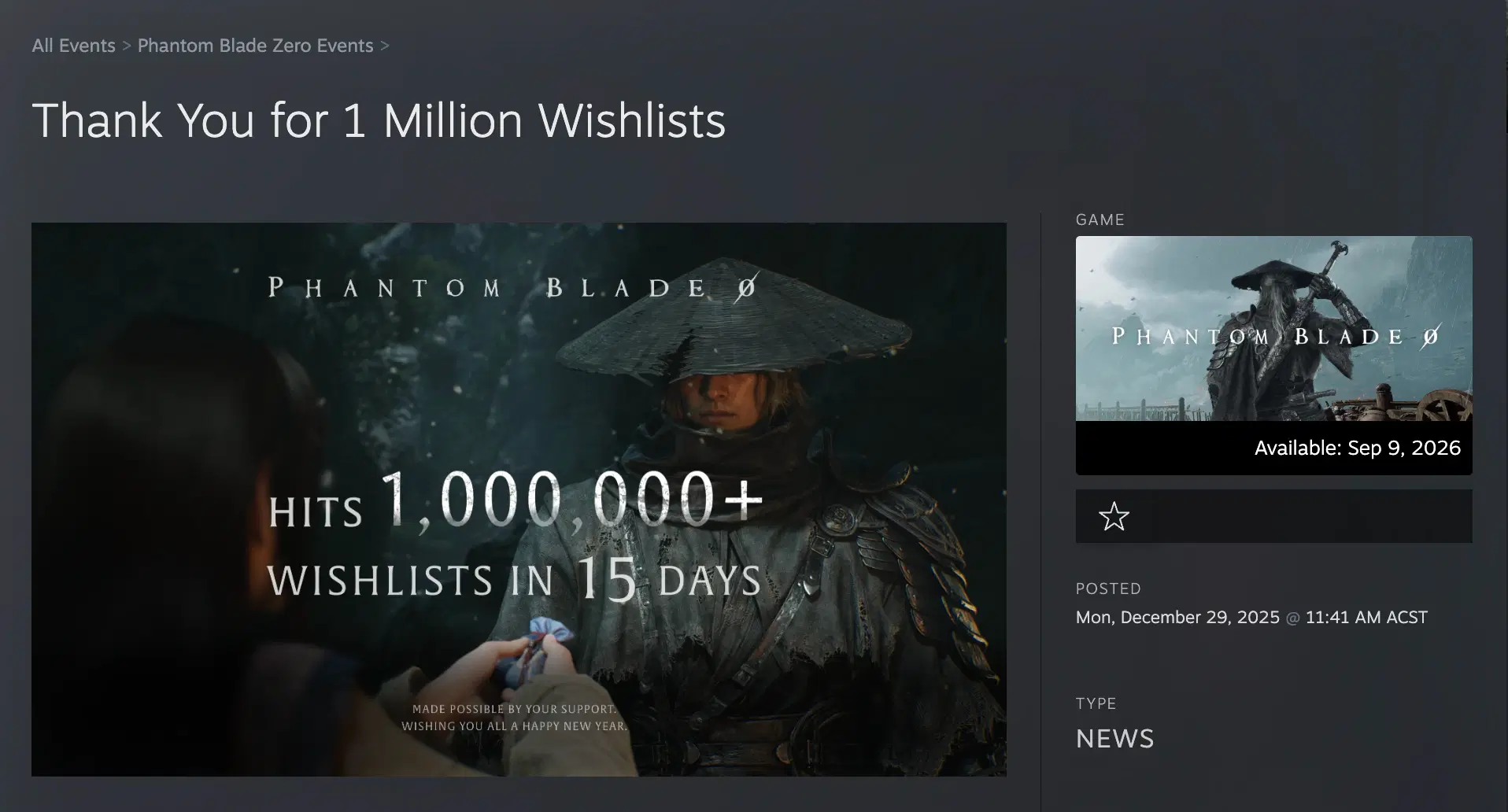
Momentum, measured as recent velocity, can temporarily outrank a larger accumulated total on the Trending and Top Demos charts because those charts weight recent activity, not cumulative count. Actions you take in the 14 days before the festival still change your algorithmic position.
Key concept: power law distribution
Across eight editions and 21,681 games, the top 1% of participants (roughly 217 games) captured 37.8% of all follower gains. The top 10% captured 78.5%. The bottom 50% - more than 10,800 games - accumulated just 2.6% of total gains.
2. How many wishlists can you expect?
Before planning, you need an honest benchmark. The figures below are drawn from Immutable's analysis of 21,681 games across eight SNF editions (Feb 2024 - Jun 2026), with June 2026 as the primary contemporary benchmark for what to expect if you're entering the next edition. For more on wishlist conversion once you have them, see our Steam wishlist conversion rate benchmarks.
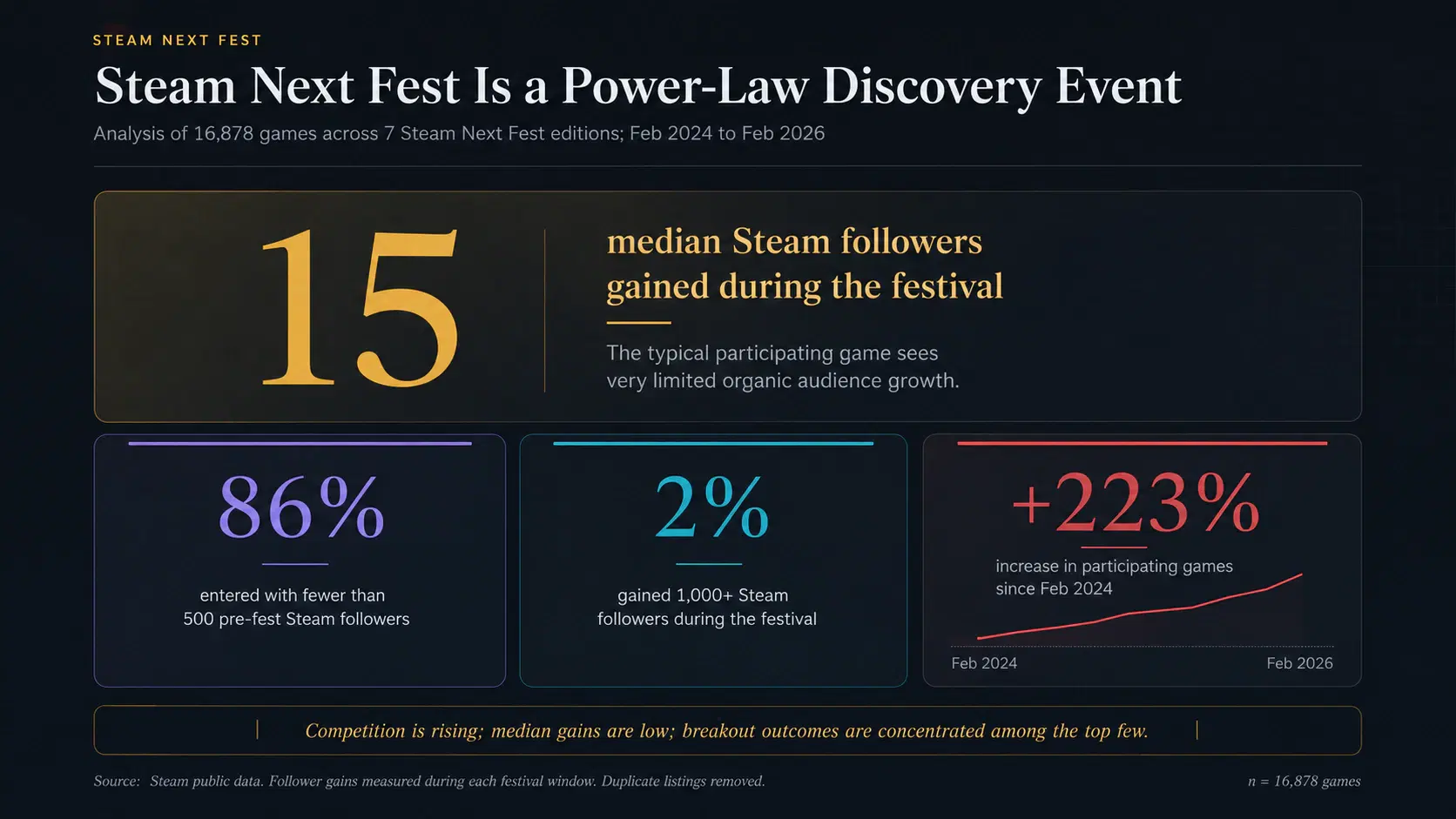
The headline numbers across all 21,681 games (8 editions):
- Median follower gain during SNF: 13 (roughly 125 estimated wishlists)
- 87% of all participants entered with fewer than 500 followers
- Only 1.8% of games gained 1,000 or more followers
- 4.6% of games gained zero followers or lost ground
The median of 13 is the realistic outcome for the majority of SNF participants. Most are early-stage games with small existing audiences. Understanding this distribution is the starting point for setting defensible internal expectations.
Outcomes by starting position
Rather than a single audience threshold, the data shows a continuous readiness curve: the larger the audience a game brings in, the larger its typical payoff, with no clean cliff at any one number. The table below uses the June 2026 cohort as the most current, most relevant benchmark for studios preparing for the next edition.
| Pre-fest followers | Games | Median follower gain | P90 follower gain | Median est. wishlist gain (9.6x) |
|---|---|---|---|---|
| 0-9 | 1,371 | 3 | 11 | ~29 |
| 10-49 | 1,533 | 8 | 30 | ~77 |
| 50-99 | 328 | 17 | 76 | ~163 |
| 100-499 | 669 | 39 | 171 | ~374 |
| 500-999 | 188 | 106 | 304 | ~1,018 |
| 1,000-4,999 | 201 | 199 | 761 | ~1,910 |
| 5,000+ | 71 | 773 | 2,530 | ~7,421 |
How to read this: find the band closest to your current follower count and read across. Median is the typical outcome; P90 is the top-decile result - one in ten games at your starting position did better than that.
The 0-9 and 10-49 bands together contain most participants. Median outcomes there are single-digit followers. If you are planning a 50-hour demo build and a 7-day content calendar expecting hundreds of new followers at this tier, the data does not support that expectation.
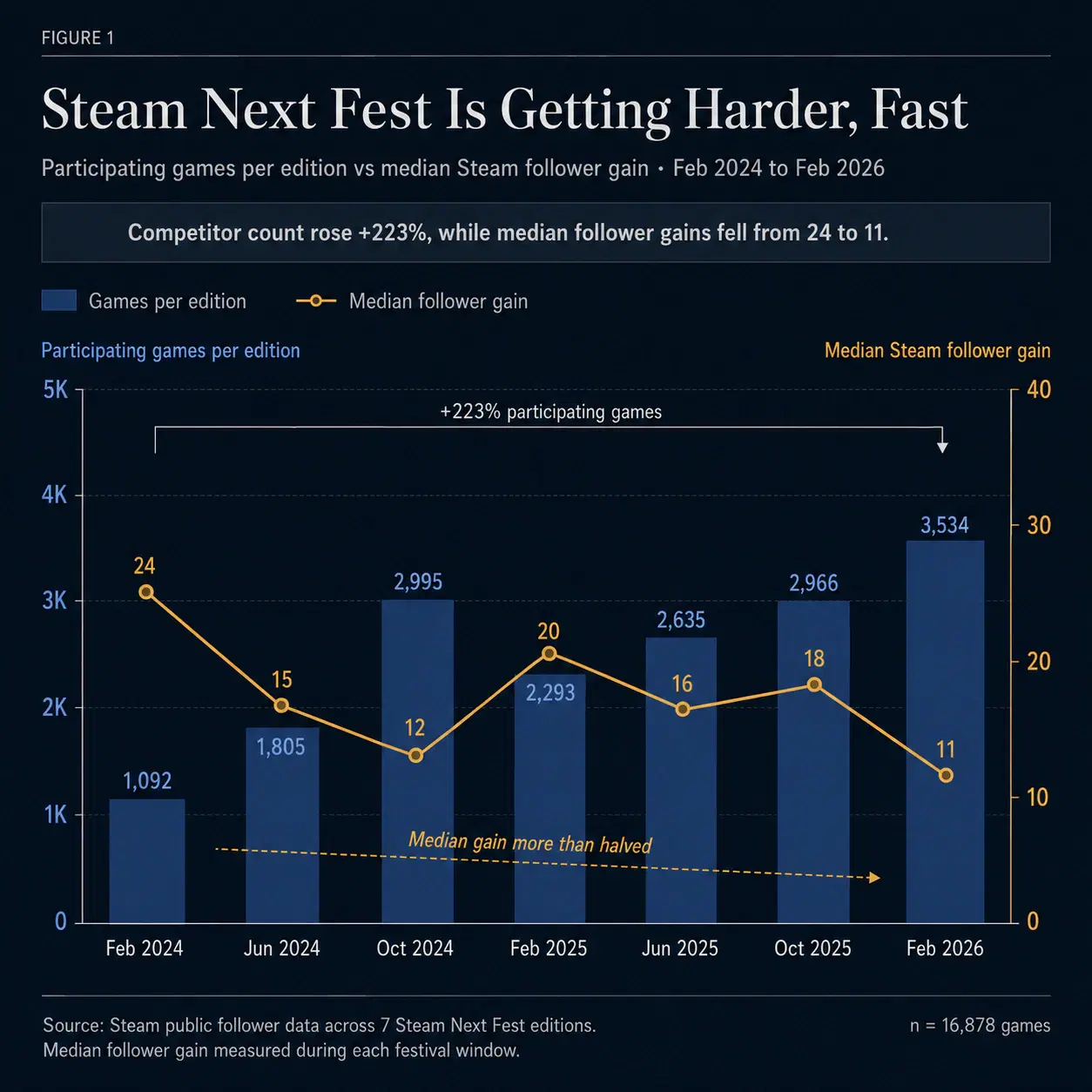
SNF is getting more crowded
Participant count grew 224% from February 2024 to February 2026. In two years, the number of games competing grew from 1,092 to 3,534, while the median increase in followers halved (24 to 11). The trend has continued since: the June 2026 edition set a new record at 4,382 participating games - up 301% since the start of 2024. The pool of games chasing wishlists is growing far faster than the pool of players available to wishlist them.
| Edition | Games | Median gain | P90 gain | % gaining ≤10 followers | Top 50 share |
|---|---|---|---|---|---|
| Feb 2024 | 1,092 | 24 | 346 | 29% | 4.58% |
| Jun 2024 | 1,805 | 15 | 205 | 42% | 2.77% |
| Oct 2024 | 2,995 | 12 | 135 | 47% | 1.67% |
| Feb 2025 | 2,337 | 20 | 262 | 33% | 2.14% |
| Jun 2025 | 2,636 | 16 | 163 | 39% | 1.90% |
| Oct 2025 | 2,966 | 16 | 150 | 41% | 1.69% |
| Feb 2026 | 3,534 | 11 | 153 | 50% | 1.41% |
| Jun 2026 | 4,382 | 9 | 119 | 53% | 1.14% |
3. Check whether you're ready
Before deciding how to spend your remaining 14 days, run this diagnostic against your current position. It takes five minutes and is the most important input to your preparation plan. You can withdraw from the festival at any time before the start date.
| Signal | Green | Yellow | Red |
|---|---|---|---|
| Demo stability | Completable in one sitting, no crashes | Minor bugs, one or two soft locks | Crashes, cannot be completed |
| Steam store page | Capsule converts, trailer explains the game quickly | Capsule is unclear, trailer is slow | Capsule is a logo, trailer is a cinematic with no gameplay |
| Wishlist baseline | 500+ followers (roughly 4,800 estimated wishlists) | 200-499 followers | Under 200 followers |
| Daily wishlist velocity | 10+ followers/day organic | 3-9/day | Under 3/day |
| Creator pipeline | Relevant creators identified and contacted | List exists, but no coverage likely | No list |
| Capacity to run the event | Someone is free during the festival to respond to community feedback and patch bugs | Part-time availability | No one is available |
| Readiness to launch | Your game can launch within ~1 month of SNF | Launch either immediately after SNF or more than 2 months later | Game will not be launching for 3+ months |
What each result means:
- All green: enrol in the next festival and execute the operating plan.
- Mostly yellow: enter the next festival, but treat it as a learning event. Your goal is to collect feedback, test your store page, identify creator fit, and build a stronger launch plan.
- Any red: genuinely consider withdrawing and entering a later SNF. Studios that enter with sub-500 wishlists and an unstable demo often finish with only a few hundred new wishlists and negative public feedback. That outcome follows the game.
Pro tip
Opting out of October SNF and waiting for February 2027 is not a retreat. It is using the one-shot rule strategically. Registration for October closes August 31, 11:59pm PDT - if you're reading this after that date and already registered, use the diagnostic above to decide how hard to push versus how much to treat this cohort as a learning run.
4. How you gain wishlists
The main goal of SNF is to multiply your existing wishlists. Chronologically, wishlist gains come from four sources:
- Festival Trailer
- Press Preview
- Organic Discovery
- Top Demos
1. Festival Trailer
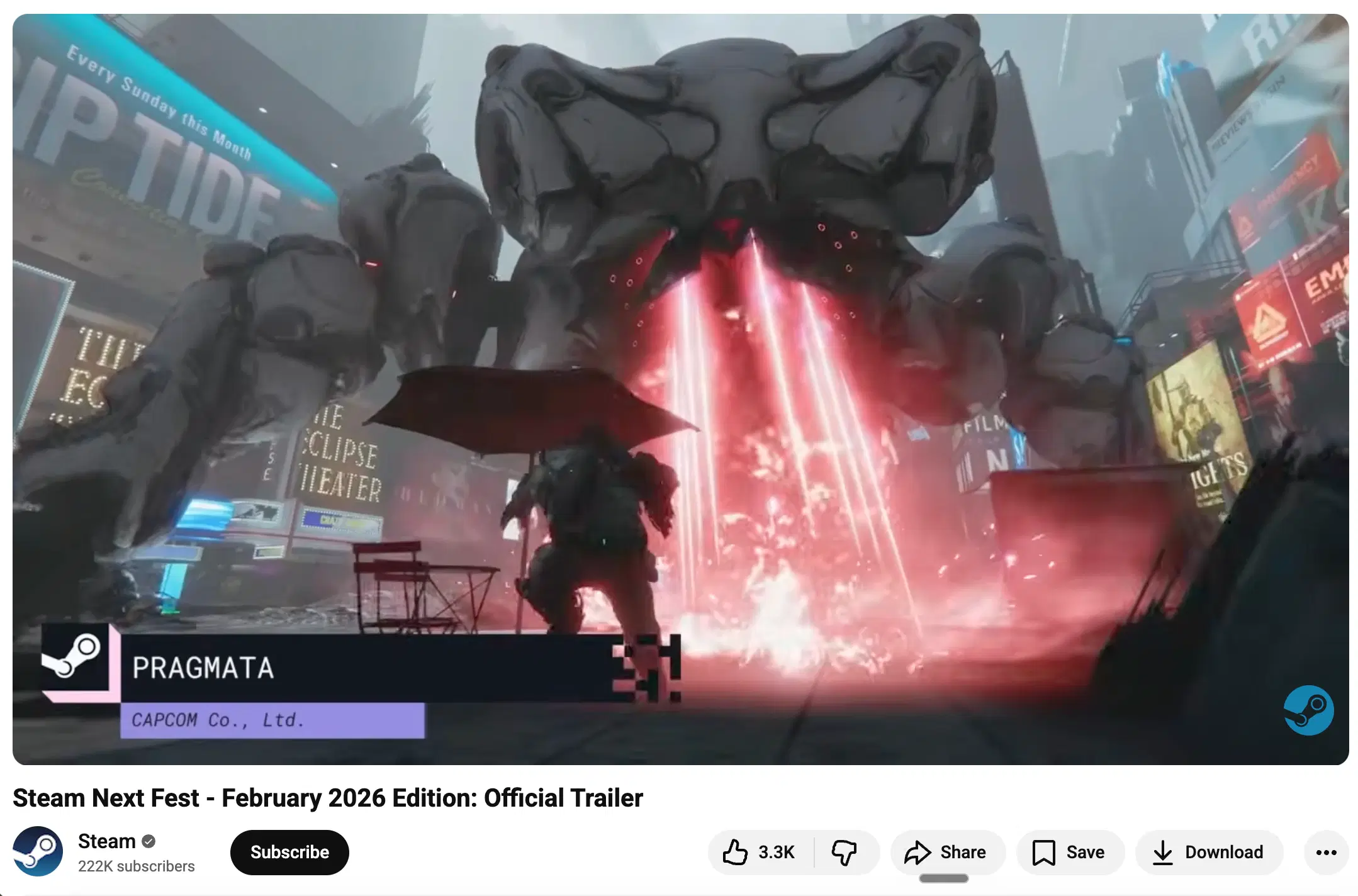
Ahead of the festival, Valve curates 20-30 games to feature in a promotional trailer shared across their channels. Think of this as “nice to have” free visibility rather than something crucial. As fewer than 1% of games make it in, don't build your strategy around it. That said, to improve your odds:
- Register for the festival early
- Have a high-quality trailer
- Ensure your trailer showcases the most unique or aesthetic elements of your gameplay
- Valve pulls trailer candidates for consideration on September 8 - roughly a week after registration closes - so your best trailer needs to be live on your base game page well before then, not written off as a later polish item
2. Press Preview
Press Preview is an 11-day window (October 8-19) during which Valve shares the list of participating SNF games with select press outlets to play demos before the public festival opens.
This is Valve leveraging their press contacts to help games get additional coverage. There are no special ways to optimise beyond:
- Opt in to Press Preview (developers are opted in by default)
- Ensure your demo is playable
- Optimise your creative assets
Games must have their demo build and store page submitted for review by September 14 to be live at Press Preview start. The hard deadline for all required materials was September 28.
Strategic value
Journalists who cover your game during the press preview window can have coverage ready to publish when the festival opens on October 19. This means media-driven traffic arriving on Day 1 - before algorithmic competition intensifies - when it has the most impact on your Day 1-2 performance signal.
What to do now:
- Confirm your demo build is submitted and passing review
- Update your press contact details in your Steamworks SNF registration
- Prepare a short press kit: one-sheet, capsule, 5 screenshots, trailer link
- Send directly to press contacts covering your genre - do not wait for them to find you
3. Organic Discovery
During the festival, Steam shows your game on the Next Fest event page where it may be featured in various carousels. This is where most SNF wishlists come from for most games.
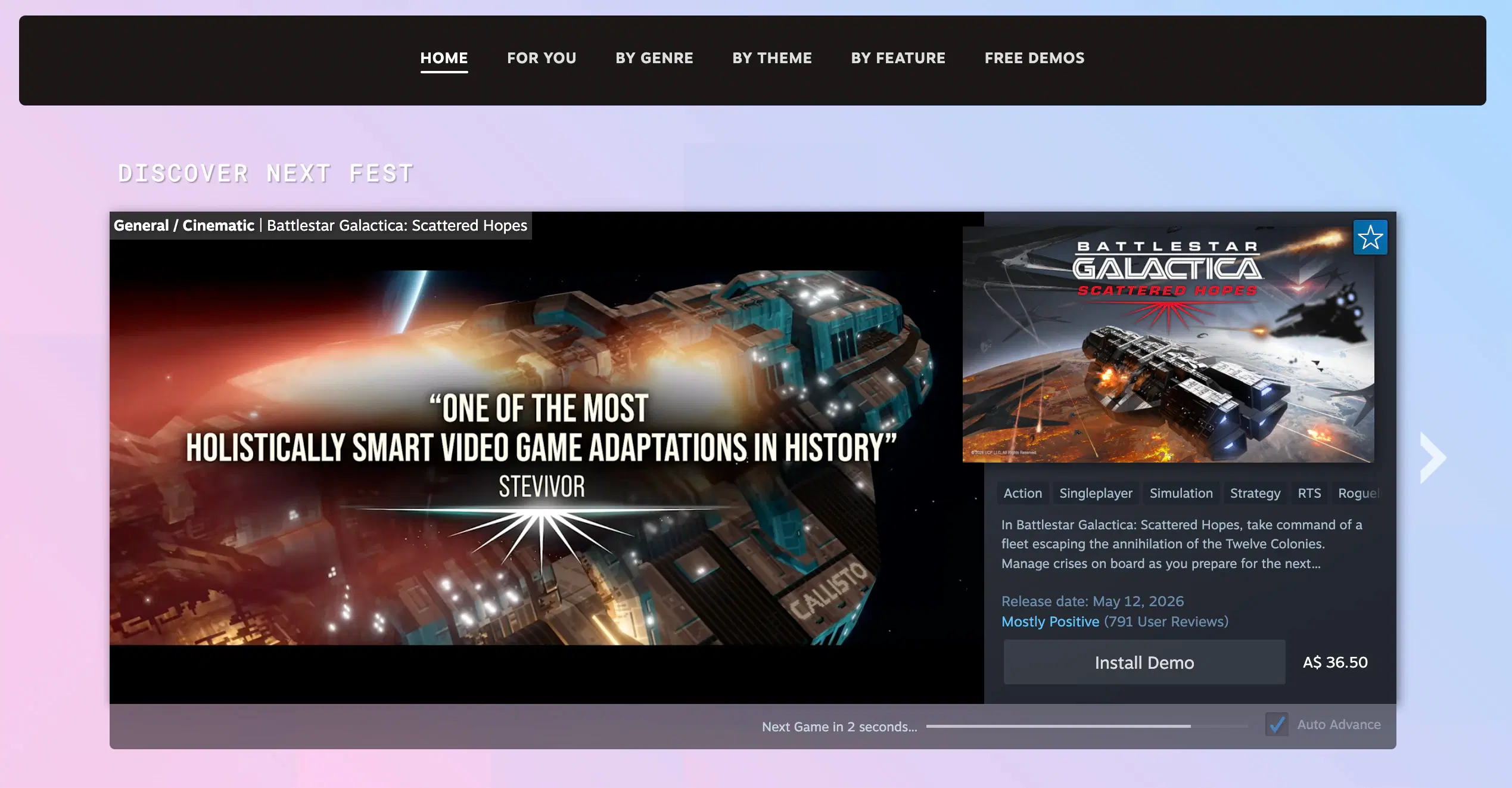
Once the festival goes live, the algorithm decides where to show your game:
During the first 48 hours: every game has a baseline chance of being shown on the main page. Certain carousels showcase games based on genre, customised to what the player viewing the page has enjoyed before.
After 48 hours: a machine learning algorithm starts increasing the visibility of games that performed well, and reducing it for games that did not. According to Valve, this works by promoting games that are being wishlisted to players who have similar taste to the people who originally wishlisted the game.
The Day 2 peak - and why Day 3 doesn't decide it
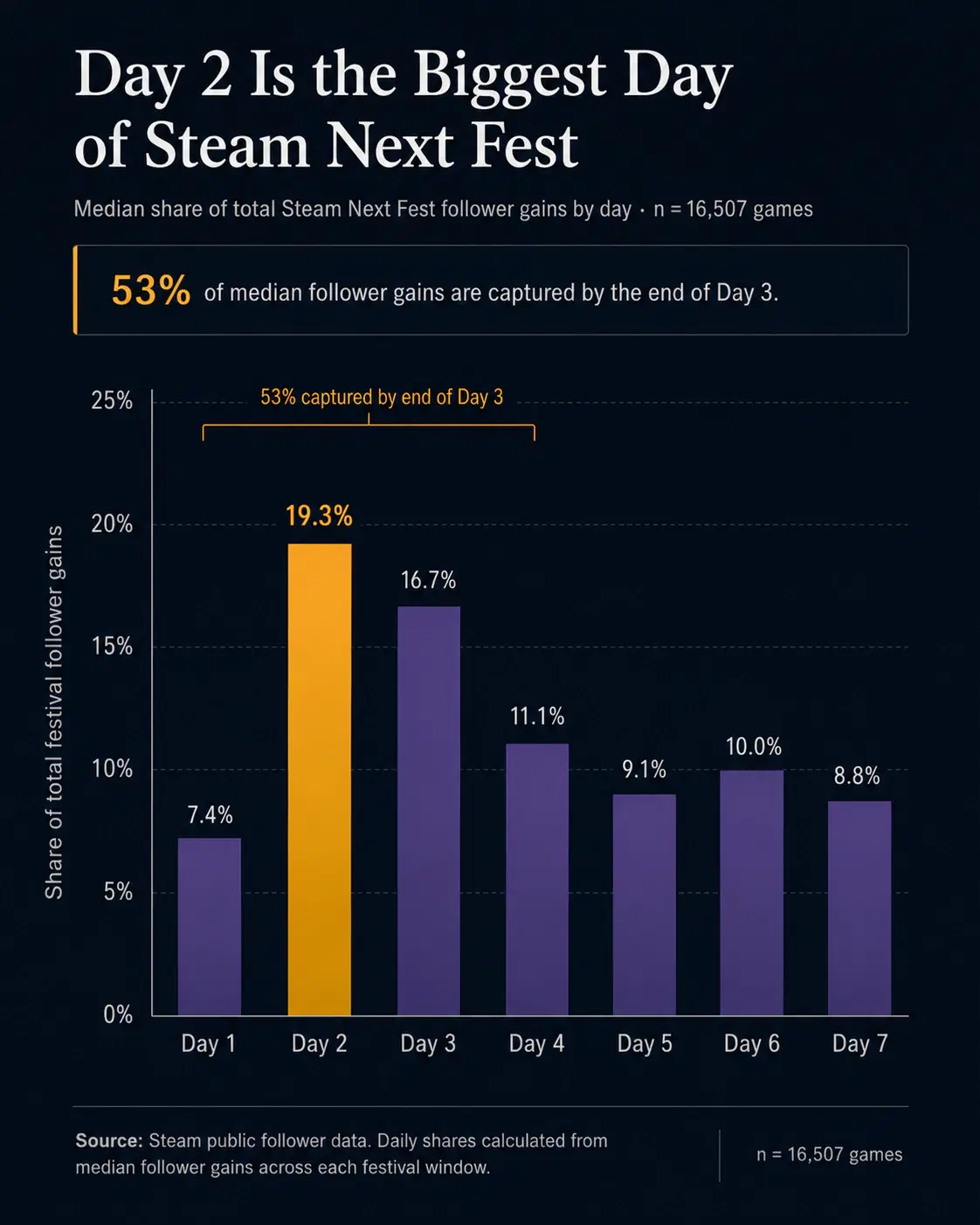
SNF opens at 10am Pacific Time - meaning Day 1 is a partial day for European and Asian players. Across 21,668 games with complete Day 1-7 tracking data, Day 2 is the single highest-gain day, accounting for about 18.4% of aggregate 7-day follower gains.
By the end of Day 3, roughly 46% of aggregate gains have occurred - meaning more than half of all gains still happen after Day 3. Plan your biggest community and media push for the first complete global day of the festival - Day 2 - but keep executing through the full week.
4. Top Demos
Steam publishes a Top Demos page to showcase the top 50 games with the most unique players during the festival.
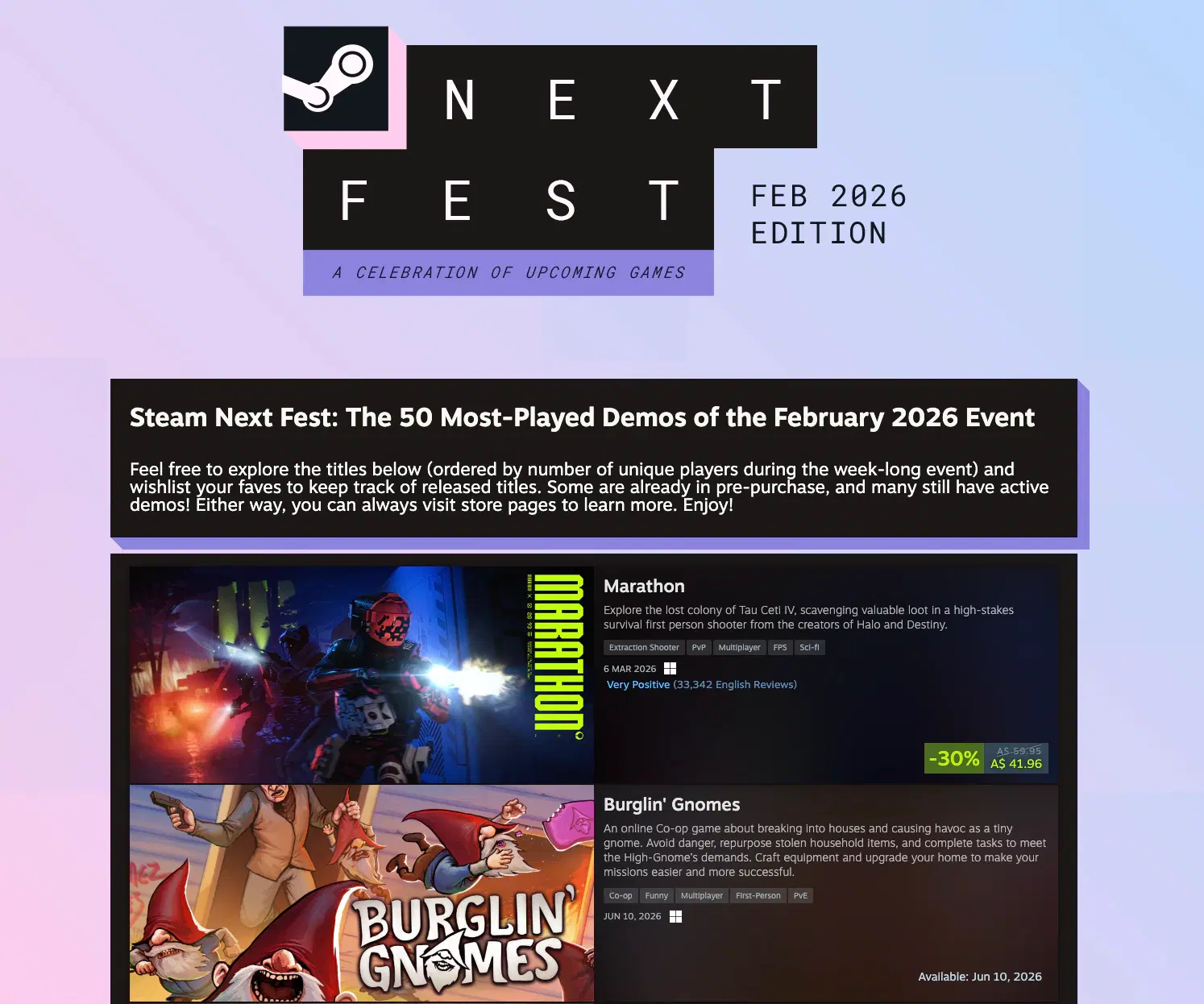
The list is a fixed 50 slots regardless of how many games enter - in the June 2026 edition that was just 1.14% of the 4,382 participants, down from 4.58% back in February 2024 as the festival has gotten more crowded. Unlike the Festival Trailer, the rankings show each game's capsule prominently on Steam with direct access to the store page.
These games are typically considered the “winners” of SNF - though because slots are fixed and games don't have equal odds of reaching one, this is best read as a scarcity figure rather than a per-game “chance.”
Practical takeaways
- Tag correctly. Your game will be shown to players based on the tags you've applied, as well as the 1-2 primary genres Valve requires you to select when submitting to SNF. Make sure these are accurate.
- Go in with wishlists. SNF is a multiplier on your existing wishlists. The more you go in with, the more you'll gain.
- Build momentum before the gates open. The algorithm rewards not just total wishlists, but large increases in wishlists before SNF and during the first 48 hours. Phantom Blade Zero, with 1.1M wishlists, ranked 61st. Games starting with 15K-40K made the top 10 because they had stronger momentum.
5. 14-day pre-festival checklist
You have 14 days before October 19. Not everything on this list is achievable. Prioritise in the order shown.
If your wishlist baseline is red in the diagnostic above, your highest-leverage activity is adding wishlists before the festival opens - not optimising the festival experience. Every wishlist added before October 19 changes which tier you enter at.
Priority 1: Creator outreach
This is the single highest-leverage activity in the 14 days before SNF. Creator coverage drives wishlist velocity on Days 1-2, which determines whether the algorithm amplifies your game on Day 3.
Timing: send keys as early as possible.
Who to target:
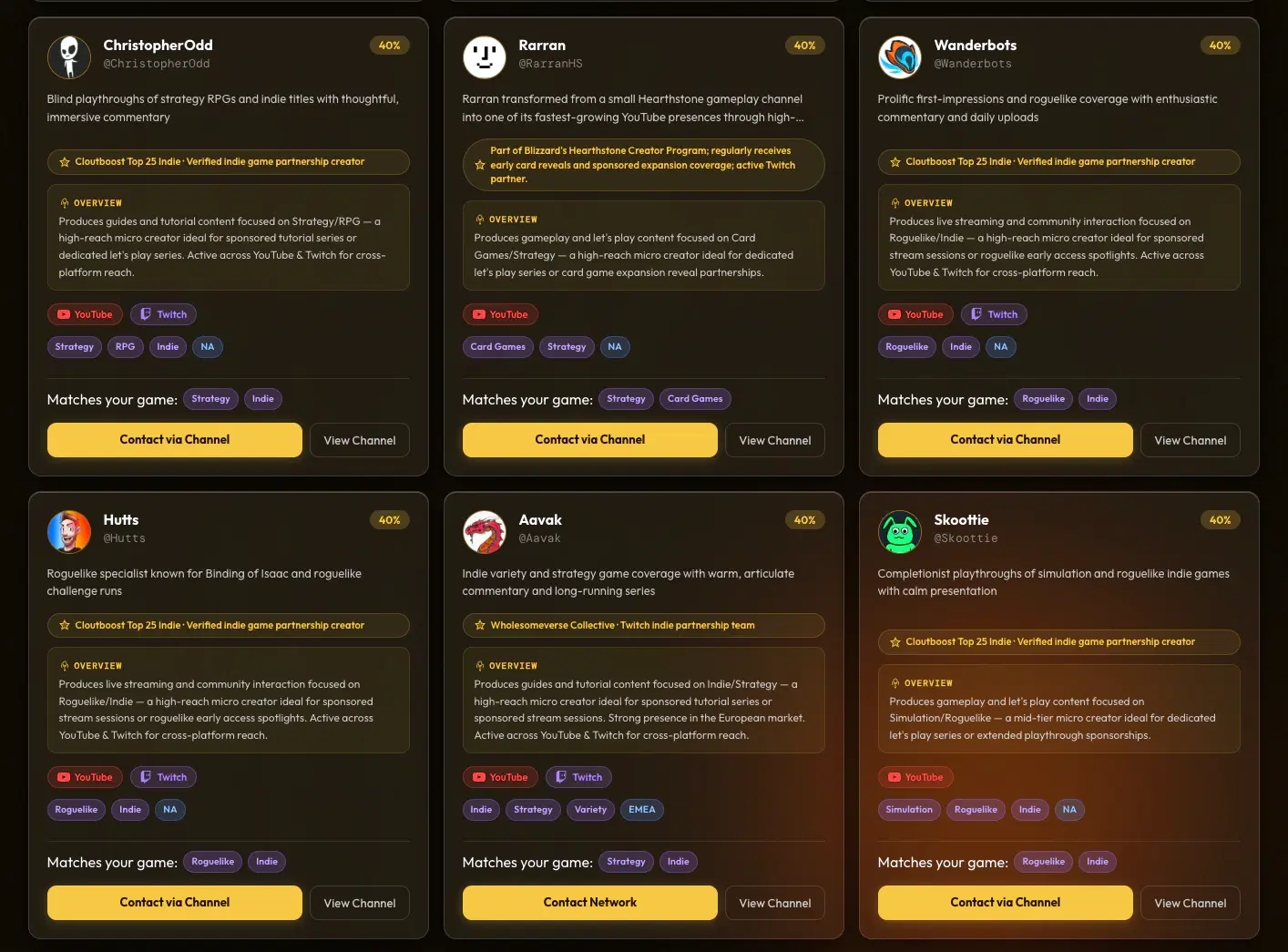
- YouTubers and streamers who cover your specific genre (not gaming broadly)
- Creators who specifically cover SNF demos each edition - they have established audiences for this format and are highly efficient
- Press: genre outlets, PCGamer, PCGamesN, Rock Paper Shotgun
- Newsletter writers covering indie games and SNF
Volume matters
The studios that earn the best outcomes describe multi-channel, high-volume outreach campaigns. Target 200+ contacts if you can; even 30-50 relevant creators is materially better than none.
What to send: four sentences. Lead with why their specific audience would like this game. Include one GIF showing the most interesting mechanic. Include the festival dates. Attach a key. Do not ask for a review - ask if they'd be willing to check it out during SNF.
Priority 2: Ship the demo
Release the demo two to four weeks before the festival, not the day before. You find your own blocking bugs on your own traffic, creators have something to play ahead of time, and player feedback arrives while you can still act on it. Two mechanics to know before you set the date:
- Valve's build review is not QA. It confirms the game runs and has the promised features - it will not catch most bugs. You can patch after review without re-review, at your own risk.
- Demos are a separate App ID. Add yours under Edit Store Page → Special Settings → Associated Demos, then republish the base page - skip that step and the Download Demo button never appears on your store page.
- Valve does not recommend having a Steam Playtest live during Steam Next Fest, because it splits your players between the two builds instead of concentrating them in one spot.
Priority 3: Email your wishlisters
The “Email Wishlisters” button in Steamworks lets you notify everyone who has already wishlisted your game that your demo is live - free, and reaching people who have already expressed intent.
The catch: it is a one-shot send tied to the demo's first release, valid for only 14 days after that. Ship the demo three or four weeks early and you can spend this button before the festival even opens. Decide which applies before you set the demo date:
- Option A (the default): ship the demo around two weeks out, and fire the notification at 10am PDT on October 19 when the festival opens.
- Option B: ship earlier for press or QA reasons, and accept that the notification goes out at demo launch instead - defensible when Press Preview coverage is central to your plan.
This is a Steam-generated notification, not a conventional email you compose - what you control is the timing decision above, not a subject line.
It is also not the only message Steam will ever send this audience: Steam separately notifies wishlisters at full release, at a qualifying discount of 20% or more, and at an Early Access to 1.0 transition. But there is no way to trigger a message to them outside those set moments, and Steam does not expose wishlister identities anywhere you could message them directly.
A wishlist is not an owned audience. Section 7 covers building an email/Discord list alongside it so you're not solely dependent on Steam-controlled sends.
Priority 4: Tags audit and Developer Preview check
Your tags determine which SNF subcategory sections your game appears in. Check Developer Preview (available before SNF opens) to see exactly where your game has been placed. If the placement is wrong, fix your tags before October 19. This takes 10 minutes and directly affects who sees your game during the festival.
Priority 5: Store page - trailer first 15 seconds and capsule
For a full guide on how to optimise your Steam store page, see our dedicated guide.
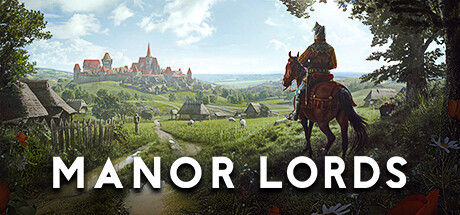
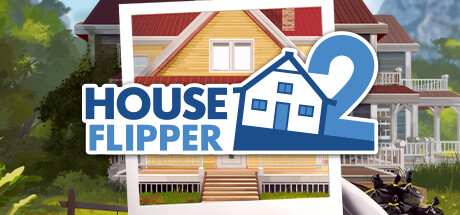
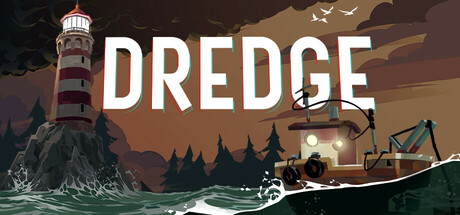
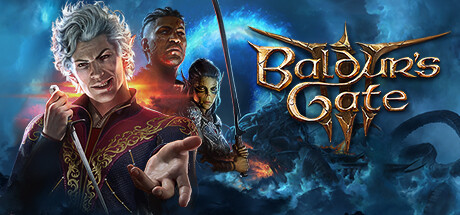
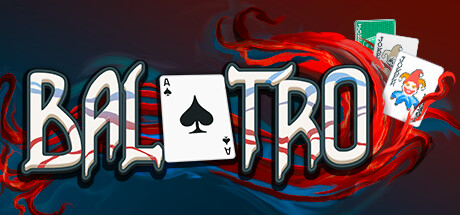
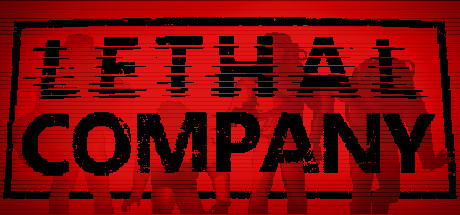
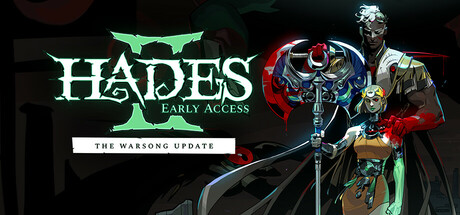
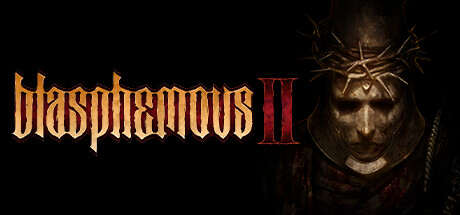
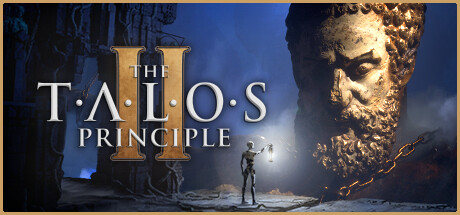
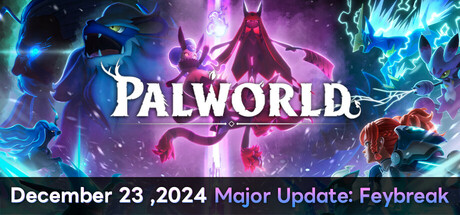
- Capsule art: communicates your genre and visual identity at thumbnail size. Test this: blur your capsule to 50% opacity and ask someone unfamiliar with your game what genre it is. If they cannot tell, it is not working.
- Trailer: show gameplay in the first 5 seconds. No studio logos. No title cards. The question players are asking in the first 5 seconds is “what do I actually do in this game?” - answer it immediately.



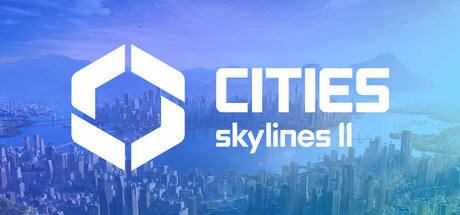

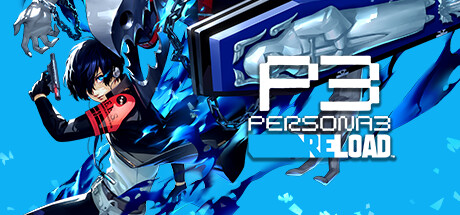


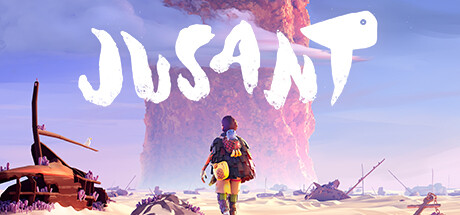
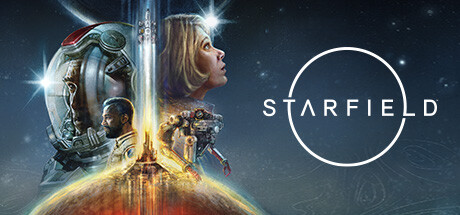



Do not make structural changes to the store page in the final week. Small, targeted fixes to the trailer opening and capsule are worth doing. A complete redesign is not.
Priority 6: Wishlist velocity push
If your daily velocity is under 10 wishlists per day, a targeted effort to increase it in the two weeks before SNF is worth the investment:
- Paid social targeting your genre audience
- Reddit posts in genre player communities (not r/gamedev - find where players hang out)
- Discord servers for games adjacent to yours
- A short devlog or update on existing community channels
In our own paid UA testing, Meta and Reddit give the best value per wishlist for most games. Pick one or two and go deep rather than spreading budget across more channels - each additional channel splits spend and slows optimisation on all of them.
Priority 7: Demo end-screen wishlist CTA
After a player finishes your demo, the final screen should include: a warm thank-you, an explicit wishlist button with a direct Steam link, an invitation to join your Discord or mailing list, and an optional feedback prompt. Players who have just finished and enjoyed the demo are maximally motivated to take action. Many studios leave this screen generic or absent.
- Most players never finish. Add a wishlist prompt to the pause menu as well - don't rely on the end screen alone to reach them.
- Route the link through the Steam overlay, not an external browser. Valve documents the overlay path for exactly this reason: a browser link can land the player on a logged-out page where the wishlist click silently does nothing.
Priority 8: War room setup
Before October 19, confirm:
- Someone is available daily October 19-26 to monitor, respond, and hotfix
- You have a categorised bug list (critical / major / minor)
- You can push a demo build update in under 4 hours
- Your Steam announcement post is drafted and ready to send at festival open
- Your daily tracking dashboard is set up
6. During the festival
Days 1-2: The window that determines everything
The first 48 hours are the most important hours of the festival. Almost nothing you do during them changes the outcome - because the outcome was determined by your preparation. Your job during Days 1-2:
- Fire the Steam wishlist email at 10am PDT on October 19 - only if you're running Option A from Section 5's Priority 3. If you shipped the demo early and already used the notification, skip this and lean on your owned email/Discord list instead.
- Monitor your demo for crashes via Steam forums and Discord
- Patch any critical bugs immediately - demo updates can be pushed without re-review
- Post on social channels: “We're in Next Fest - play the demo now”
- Watch for creators streaming your game and engage with them in real time
- Respond to every Steam forum post
Do not change your store page during the festival. Lock it before October 19 and leave it alone.
Day 3: The algorithm commits
By approximately Day 3, Steam's ML algorithm has collected enough engagement data to personalise aggressively. In June 2026, games that gained 6 or more followers on Day 1 (458 games) went on to a median total 7-day gain of 197 followers. Games that gained exactly zero on Day 1 (2,773 games) went on to a median of just 5.
Read this as a correlation, not a lever you can pull directly. Still, a strong Day 1 is a useful early readiness signal: by the end of Day 2, you can compare your own trajectory against games that entered with a similar starting audience and get an early read on whether you're over- or under-performing for your position.
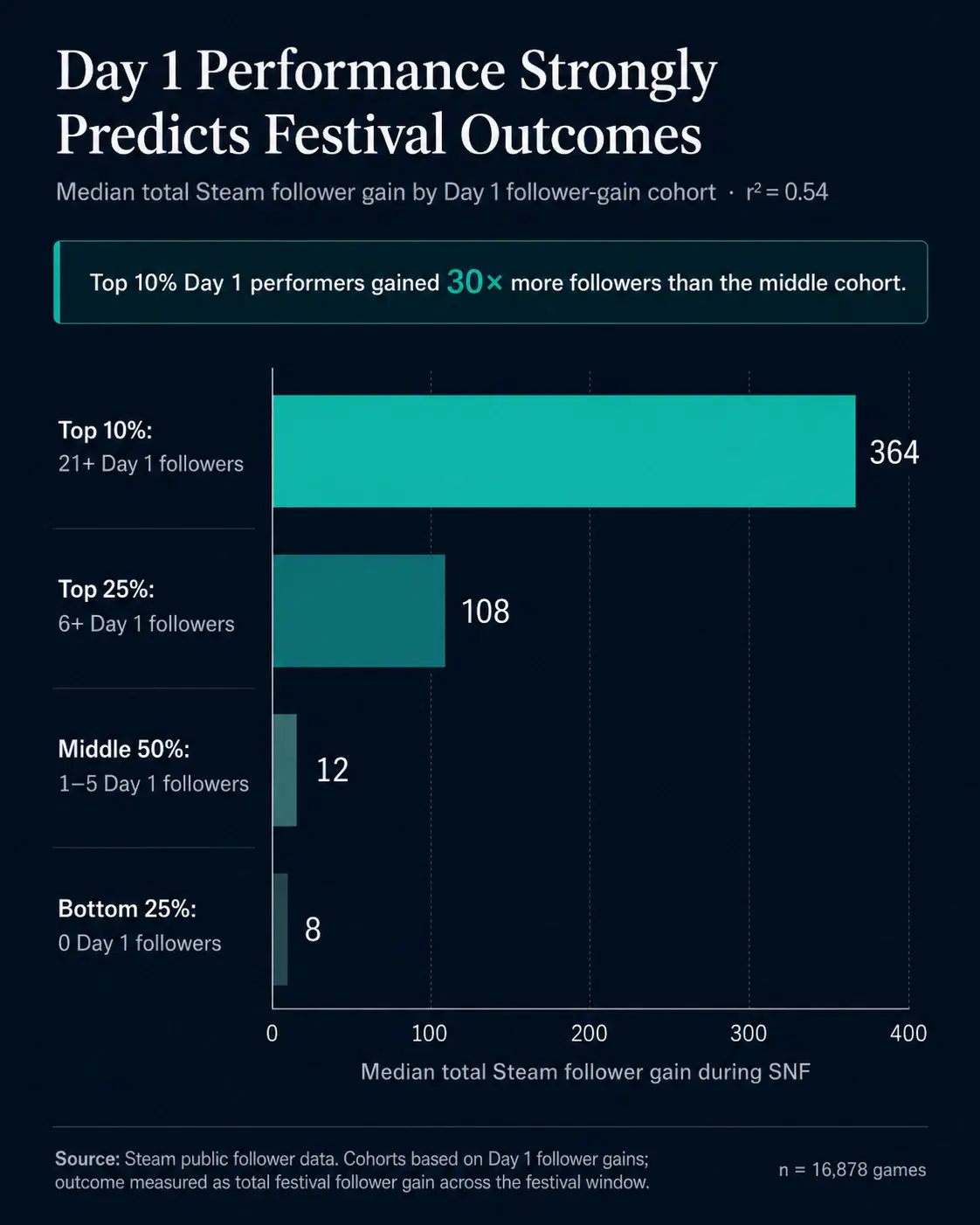
There is very little you can do to change this trajectory on Day 3. Keep executing - post daily, engage creators, respond to community - but the direction is largely set.
Days 4-7: Amplify or adapt
If the algorithm is amplifying your game: keep marketing. Post daily updates, share player reactions, amplify every creator covering the game. Chart position compounds.
If the algorithm has suppressed your game: the Trending chart does refresh throughout the week. Some games not on charts on Day 1 have appeared by Day 5-6 after sustained community activity. Keep pushing. Consider adding new content or a new mode to encourage replayability - one studio did this during February 2025 SNF and saw sustained engagement while comparable games declined.
There is no credible measured evidence that livestreaming, mid-week social volume, or event posts change the festival outcome on their own. Treat daily execution as protecting the position you already earned, not as a lever that moves the algorithm by itself.
Daily cadence
- Morning: check Steamworks analytics. Record wishlist count, page visits, conversion rate, and demo starts. Pay particular attention on Day 2 - this is typically the peak gain day, when the first complete global day of play drives the highest follower and wishlist velocity. Note any traffic spikes - a sudden surge usually means a creator went live. Find it and amplify it.
- Afternoon: patch any bugs identified overnight. Post a community update. Engage with new creator coverage.
- Evening: review what worked. Draft tomorrow's post. Make one decision about whether any change is worth implementing overnight.
7. After Steam Next Fest
If your SNF result wasn't the six-figure wishlist spike you hoped for, you're in the majority - remember the median gain across our dataset is 13 followers, roughly 125 estimated wishlists. Most of the next 12 weeks before launch matter more than the 7 days you just had. Four priorities, in order:
1. Don't panic
A modest SNF bump usually means you went in with a modest audience, not that something went wrong during the festival itself. Pre-festival audience size explains 60% of SNF outcome variance - judge your original audience-building plan against launch day, not against the festival's raw uplift.
2. Get your demo in front of more people
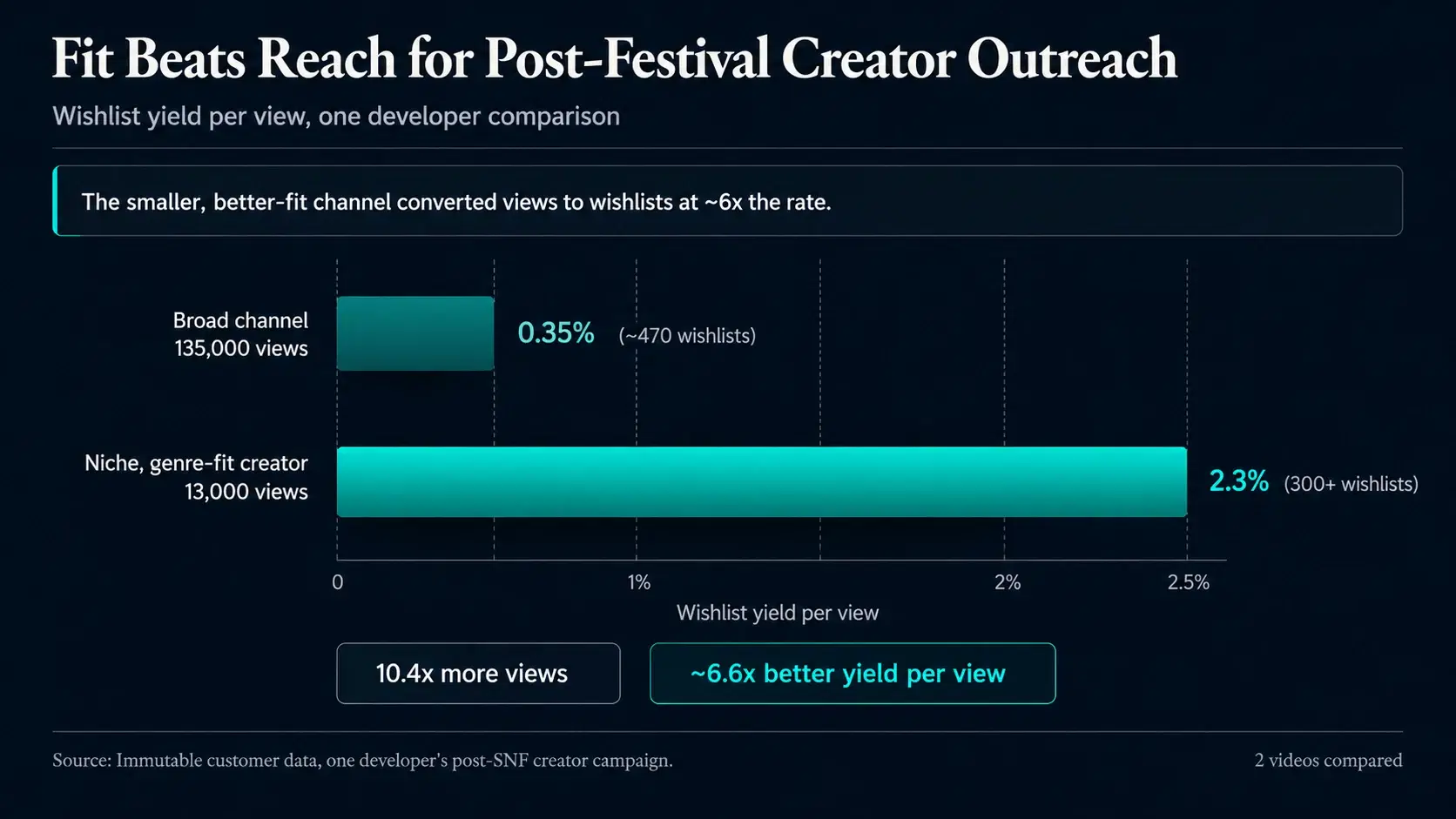
From now until launch, send your demo to streamers and to other festivals - but fit beats reach.
One developer comparison found a 135,000-view roundup video from a broad channel produced roughly 470 wishlists (about 0.35% of views), while a 13,000-view video from a niche, genre-specific creator produced 300+ (over 2.3% of views) - about 6x the yield per view, from the smaller, better-fit channel. Prioritise creators and festivals whose existing audience already plays your genre over ones with the biggest raw numbers.
3. Optimise your store page
Extra traffic from streamers and festivals only helps if it converts. Small tweaks to your capsule art and tags are often enough to meaningfully lift visitor-to-wishlist conversion. See our dedicated store page guide and run your capsule through the free Capsule Analyzer rather than guessing.
4. Set up external email capture
Steam does notify wishlisters at a few set moments - full release, a qualifying discount of 20% or more, an Early Access to 1.0 transition, and the one demo notice covered in Section 5 - but those are the only moments Steam will message this audience on your behalf, and it does not expose wishlister identities anywhere you could reach them directly yourself. An email or Discord list you own is the only channel you fully control.
This is a sequencing call, not an all-or-nothing one: route traffic through a capture step first through most of the run-up to launch, since an email address can be re-activated on any later beat where a raw Steam wishlist click is a single anonymous conversion. In the final week before a hard deadline, when the priority shifts to your algorithmic starting position, shortening the funnel straight to Steam is defensible - but only once your owned list is already large enough to be worth activating on its own.
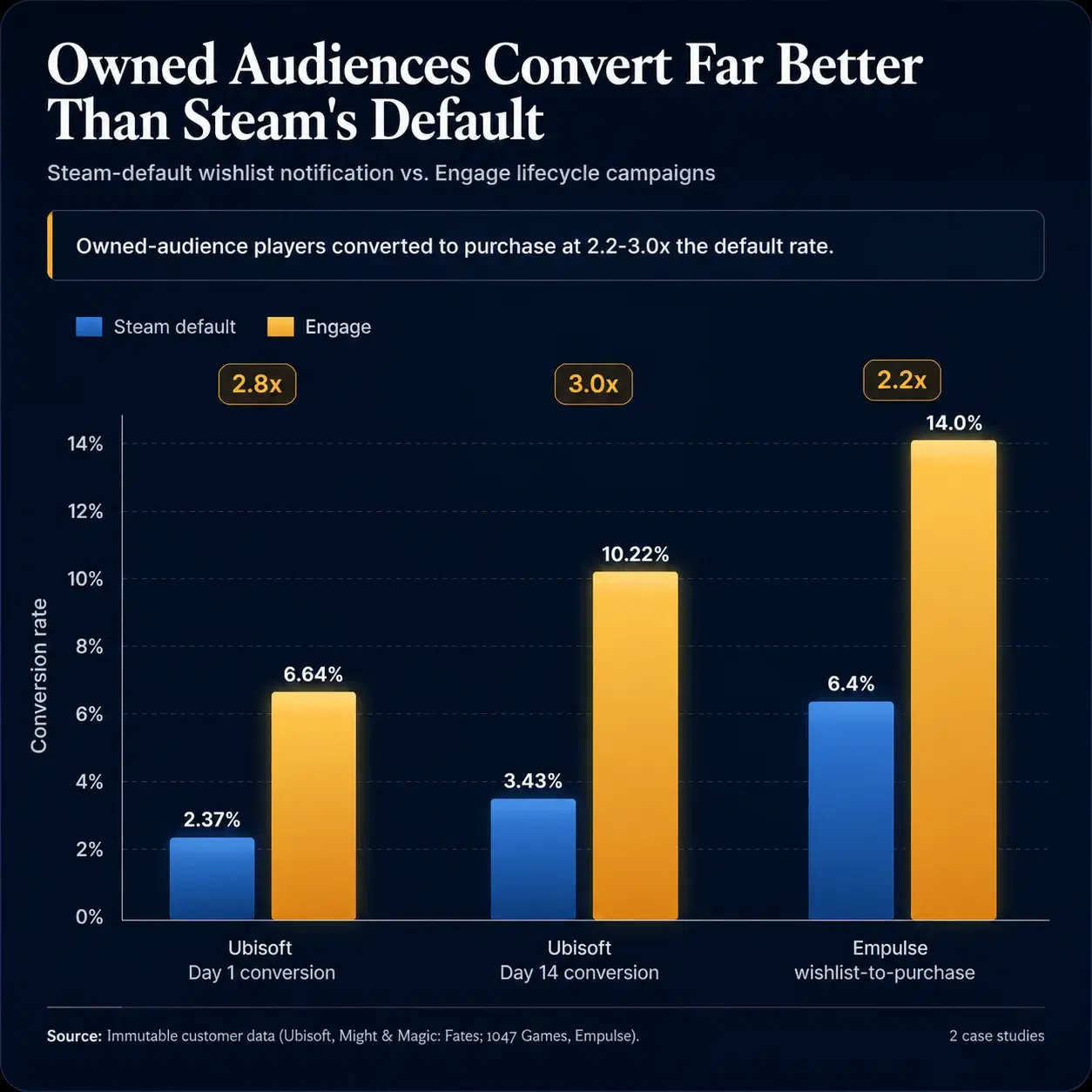
We built Engage for exactly this gap: it captures email and Discord alongside the wishlist, then runs lifecycle campaigns instead of relying on Steam's one-time send. Across our Ubisoft and 1047 Games case studies, owned-audience players converted to purchase at 2.2-3.0x the rate of Steam's default wishlist-only audience.
Conclusion
We hope you get as much out of this as possible. Obviously there are always factors outside your control - SNF is a competitive event and the algorithm does not guarantee outcomes. But the studios that perform well are not the ones that got lucky. They are the ones that understood what the algorithm rewards and prepared accordingly.
Build a great game, find repeatable channels that build your audience pre-launch, and do more of what works.
Free readiness check
Find out if your game is ready for Steam Next Fest
We'll benchmark your follower count and wishlist velocity against 21,000+ games and show you which cohort gives you the best shot before you enter.
Get my free readiness check★★★★★ Trusted by Ubisoft, Netmarble, and 800+ studios
Data in this article is drawn from Immutable's analysis of Steam store page data across 21,681 games and eight Steam Next Fest editions (February 2024 - June 2026).