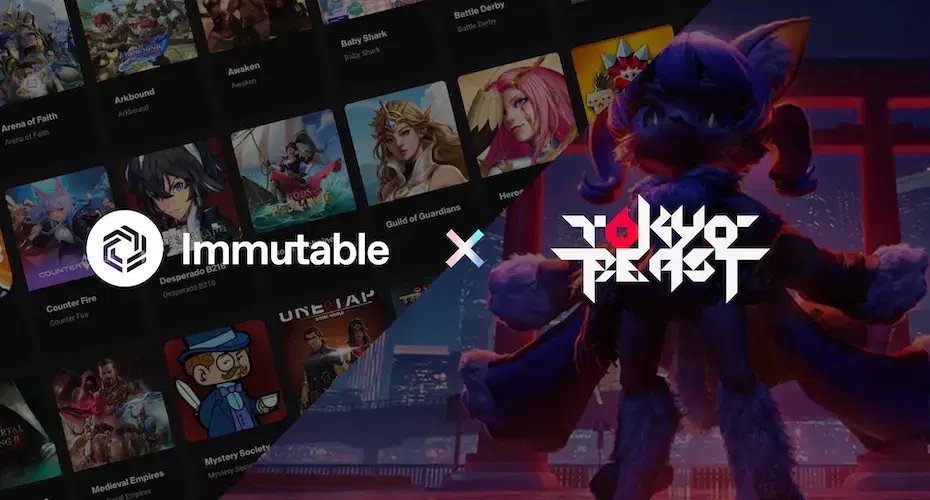
Japan's gaming market is worth $27.4 billion annually — the third largest in the world. Yet it's been one of the last major markets to embrace player ownership. Tokyo Beast, backed by a multi-billion dollar Japanese company with a team of 80 full-time staff and AAA budget allocation, is changing that.
A New Model for Competitive Gaming
Tokyo Beast's approach solves one of competitive gaming's oldest problems: accessibility. In most competitive games, new players face an impossible climb against established players with better gear, more experience, and deeper pockets. Tokyo Beast flips this with a system where players without premium assets can participate by using shared assets from other players — and as those players succeed, the shared assets grow in value for everyone.
It's a symbiotic model: owners provide access, players provide skill, and success benefits both sides. This isn't just clever game design — it's a growth mechanic. Every player who joins the ecosystem adds value for existing participants, creating a positive-sum dynamic that traditional competitive games can't replicate.
Esports, Redesigned
The tournament structure includes daily arenas and weekend championships, with top players competing in livestreamed global events. But the real innovation is in the data layer: all tournament data — party composition, performance metrics, match outcomes — is publicly available. This opens the door to prediction markets, analytical tools, and a spectator experience that goes far beyond passive watching.
"We believe the Tokyo Beast Championship tournaments have the potential to onboard millions of users," said Robbie Ferguson, Immutable Co-Founder. The bet is that competitive gaming + player ownership + transparent data creates an entertainment product that's greater than the sum of its parts.
Why Japan Matters
Japan's gaming industry has produced some of the most beloved franchises in history — from Mario to Final Fantasy to Pokémon. The country's game design philosophy emphasises polish, depth, and long-term player engagement. When Japanese studios embrace player ownership, they bring a level of craft and player-centricity that could set the standard for the entire industry.
Tokyo Beast represents more than a single game partnership. It's a signal that Japan's gaming establishment sees player ownership not as a Western experiment, but as the natural evolution of how games should work.